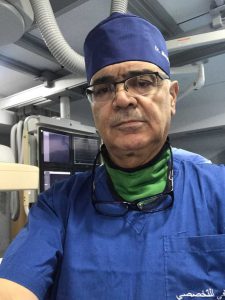

Open-Heart Surgery is a major surgical procedure used to treat a wide range of heart conditions, particularly those that require direct repair or replacement of heart structures or the blood vessels connected to the heart. Although the term “Open-Heart Surgery” may sound intimidating, significant advances in cardiac surgery, anesthesia, and intensive care have greatly improved surgical outcomes and recovery rates.
The decision to perform Open-Heart Surgery depends on several factors, including the patient’s condition, the type and severity of the heart disease, age, and overall health. Every patient undergoes a comprehensive evaluation by a cardiologist and a cardiac surgeon to determine the most appropriate treatment approach.
What Is Open-Heart Surgery?
Open-Heart Surgery is a general term that refers to a group of cardiac surgical procedures in which the surgeon accesses the heart through an incision in the chest to perform the necessary treatment. In certain procedures, a heart-lung machine (Cardiopulmonary Bypass Machine) may be used temporarily to maintain blood circulation and oxygen delivery throughout the body during surgery.
The term “open-heart” does not necessarily mean that the chambers of the heart are opened in every case. Whether the heart itself is opened depends on the specific procedure and the condition being treated.
Why Is Open-Heart Surgery Performed?
A doctor may recommend Open-Heart Surgery when medications or less invasive treatments are no longer sufficient. Common indications include:
- Coronary artery disease with significant narrowing or blockage
- Heart valve diseases
- Certain congenital heart defects
- Aortic aneurysm in selected cases
- Specific heart disorders requiring surgical correction
- Heart transplantation in advanced, carefully selected cases
The appropriate surgical procedure is determined after thorough diagnostic testing and a detailed assessment of the patient’s heart condition.
Types of Open-Heart Surgery
1. Coronary Artery Bypass Surgery
Also known as Coronary Artery Bypass Grafting (CABG), is performed to improve blood flow to the heart muscle when one or more coronary arteries are severely narrowed or blocked.
During the procedure, the surgeon uses a healthy blood vessel from another part of the body to create a new pathway that allows blood to bypass the blocked artery.
2. Heart Valve Repair or Replacement
Heart valves may become narrowed (stenosis) or fail to close properly (regurgitation), affecting normal blood flow. Depending on the patient’s condition, the damaged valve may be repaired or replaced with either an artificial or a biological (tissue) valve.
3. Repair of Certain Congenital Heart Defects
Open-Heart Surgery can correct certain congenital heart defects present from birth, including septal defects and other structural abnormalities that interfere with normal blood circulation.
4. Aortic Surgery
Some patients require surgery to treat an aortic aneurysm or other disorders affecting the aorta. The type of procedure depends on the location, size, and severity of the condition.
What Tests Are Required Before Open-Heart Surgery?
Before surgery, patients typically undergo a comprehensive preoperative evaluation, which may include:
- Blood tests
- Electrocardiogram (ECG)
- Echocardiogram
- Chest imaging
- Coronary angiography, when indicated
- Pulmonary function tests in selected cases
- Assessment of chronic medical conditions and current medications
Patients should inform their medical team about all prescription medications and dietary supplements they are taking, particularly blood-clotting medications. No medication should be discontinued without medical advice.
How Is Open-Heart Surgery Performed?
Although the surgical steps vary depending on the specific procedure, they generally include:
- Administration of general anesthesia.
- Accessing the heart through a surgical incision in the chest.
- Performing the required repair or surgical treatment.
- Using a heart-lung machine when necessary.
- Closing the surgical incision after the procedure is completed.
The duration of surgery varies according to the type of operation and the complexity of the patient’s condition.
How Long Does Recovery Take After Open-Heart Surgery?
Recovery time varies from one patient to another and generally takes several weeks. Factors influencing recovery include:
- Type of surgery
- Patient’s age
- Overall health status
- Presence of chronic medical conditions
- Development of any postoperative complications
- Adherence to medical instructions and participation in a cardiac rehabilitation program
Because the sternum requires time to heal, patients should carefully follow their medical team’s recommendations regarding movement, lifting weights, and the gradual return to daily activities.
What Are the Potential Risks of Open-Heart Surgery?
Like any major surgical procedure, Open-Heart Surgery carries potential risks, including:
- Bleeding
- Infection
- Cardiac arrhythmias
- Blood clots
- Anesthesia-related complications
- Kidney or lung complications in certain patients
- Stroke in some cases
The level of risk varies considerably between patients. Before surgery, the medical team discusses the expected benefits and potential risks with each patient to support informed decision-making.
How Much Does Open-Heart Surgery Cost in Jordan?
The cost of Open-Heart Surgery in Jordan varies depending on several factors, and there is no fixed price that applies to all patients. Factors affecting the overall cost include:
- The type of surgery required, such as Coronary Artery Bypass Grafting, valve repair, or valve replacement
- The complexity of the condition and the number of arteries or valves requiring treatment
- The experience of the cardiac surgeon and medical team
- The hospital or medical center where the procedure is performed
- Length of hospital stay and Intensive Care Unit (ICU) admission
- Preoperative diagnostic tests
- Medications and postoperative care
- The need for cardiac rehabilitation after surgery
Overall, Jordan is recognized as a leading medical tourism destination, offering advanced cardiac care at competitive costs compared with many other countries while maintaining high standards of quality and patient care. As a result, many local and international patients choose Jordan for specialized heart treatment.
For a more accurate cost estimate, patients are encouraged to submit their recent medical reports for review. This allows the medical team to assess the condition, recommend the most appropriate treatment plan, and provide an individualized estimate of the expected costs and services included.
Heart Disease Treatment in Jordan with MedXJordan
If you are seeking evaluation or treatment for heart disease in Jordan, MedXJordan can help connect you with experienced cardiologists and accredited hospitals while coordinating appointments and medical services.
International patients can also benefit from comprehensive medical travel coordination, including airport reception, transportation, accommodation arrangements tailored to their needs, and assistance in obtaining a preliminary treatment cost estimate based on their medical reports.
Begin your treatment journey in Jordan with MedXJordan and receive dedicated support in organizing every step of your care with confidence and ease.
FAQs
Is Open-Heart Surgery Dangerous?
Open-Heart Surgery is considered a major surgical procedure and carries potential risks that vary depending on the type of surgery, the patient’s age, and overall health. The medical team carefully evaluates the risks and benefits for each patient before recommending surgery.
How Long Does Open-Heart Surgery Take?
The duration of surgery depends on the specific procedure and the complexity of the case. Most procedures take several hours, and your cardiac surgeon will provide an estimated operating time based on your treatment plan.
How Long Does a Patient Stay in the Hospital After Surgery?
The length of hospitalization varies depending on the type of surgery, the patient’s recovery progress, and overall health. Some patients are discharged after several days, while others may require a longer hospital stay if complications arise.
Can I Exercise After Open-Heart Surgery?
Yes. Most patients can gradually return to physical activity after receiving approval from their doctor. Participation in a structured cardiac rehabilitation program may help patients resume exercise safely and effectively.
When Can I Travel After Open-Heart Surgery?
The appropriate time to travel depends on the type of surgery, the patient’s recovery and clinical stability, as well as the duration and mode of travel. Patients should consult their doctor and obtain medical clearance before planning any trip, particularly long-distance air travel.