Menu
X
Breast Cancer Symptoms: Key Signs to Watch for and the Importance of Early Detection

Breast cancer is one of the most common types of cancer among women worldwide. According to the World Health Organization (WHO), approximately 2.4 million women were diagnosed with breast cancer globally in 2024. However, detecting breast cancer at an early stage and starting appropriate treatment in a timely manner can significantly improve the chances of successful treatment. For this reason, it is important for every woman to be aware of the symptoms of breast cancer and the signs that may indicate an abnormal change in the breast. However, experiencing any of these symptoms does not necessarily mean that cancer is present, as many of these changes can result from other non-cancerous health conditions. In this article, we explore the most common symptoms of breast cancer, when you should see a doctor, and the importance of screening and early detection. What Is Breast Cancer? Breast cancer is a disease that occurs when abnormal cells in the breast begin to grow and divide uncontrollably. These cells may form a tumor that can spread to surrounding tissues or, in some cases, to other parts of the body. Breast cancer can begin with the milk ducts or the milk-producing lobules. There are different types and stages of breast cancer, so symptoms and treatment options vary from one case to another. What Are the Symptoms of Breast Cancer? Some women with breast cancer may not experience any noticeable symptoms, particularly in the early stages. Therefore, appropriate screening based on age and risk level is important even when no symptoms are present. Some of the most common symptoms of breast cancer and signs to watch for include: 1. A New Lump in the Breast A new lump in the breast is one of the most common signs that may require medical evaluation. The lump may be firm or feel different from the surrounding breast tissue, and it may not be painful. It is important not to ignore any new lump, even if it does not cause pain. However, it is important to note that most breast lumps are not cancerous. Therefore, having a lump does not automatically mean that you have breast cancer; rather, it requires medical evaluation to determine its cause. 2. Changes in the Size or Shape of the Breast If you notice a new and unusual change in the size, shape, or appearance of one of your breasts, it may be a sign that requires medical evaluation. Some differences between the breasts can be normal, but a new or noticeable change from your usual breast appearance should not be ignored. 3. Changes in the Skin of the Breast Certain skin changes may occur as symptoms of breast cancer, including: Redness of the skin. Thickening or swelling in part of the breast. Dimpling or puckering of the skin. Changes in the texture or appearance of the skin. Irritation or scaling around the nipple or breast. New and persistent skin changes are a good reason to consult a doctor. 4. Changes in the Nipple New changes in the appearance of the nipple may occur, such as the nipple turning inward or developing an unusual appearance. An inverted nipple does not, by itself, indicate breast cancer. Some women naturally have inverted nipples. However, if the change is new or accompanied by other signs, it is best to have it medically evaluated. 5. Unusual Nipple Discharge Nipple discharge may occur without being related to breastfeeding. Discharge is more important to evaluate when it is unusual, occurs spontaneously, or contains blood. Bloody nipple discharge is a sign that should be discussed with a doctor. 6. Swelling or a Lump Under the Arm A new lump or swelling in the underarm area may be related to the lymph nodes and can occur for many different reasons. In some cases of breast cancer, the lymph nodes under the arm may be affected. Therefore, a new lump or persistent swelling in this area requires medical evaluation. 7. Breast or Nipple Pain Breast pain is not one of the most specific signs of breast cancer and can occur for many non-cancerous reasons, including hormonal changes and other conditions. However, if the pain is new, persistent, or accompanied by other breast changes, it is best to consult a doctor to determine the cause. The Centers for Disease Control and Prevention (CDC) notes that pain in any area of the breast can be a possible symptom, although it can also occur due to other conditions. Do Breast Cancer Symptoms Appear in the Early Stages? Not necessarily. Some cases of breast cancer may not cause any noticeable signs or symptoms. Therefore, symptoms alone should not be relied upon to detect the disease. Early detection screening, such as mammography when appropriate based on age and risk level, can help detect some cases of breast cancer before they become large enough to be felt or before symptoms appear. This makes following an appropriate screening plan important, particularly for women who have an increased risk of breast cancer. Does Having a Lump in the Breast Mean That You Have Cancer? No. Having a breast lump does not necessarily mean that you have breast cancer, as there are many non-cancerous causes of breast lumps. However, a new lump should not be ignored, even if it is painless. A doctor can determine which tests are appropriate based on the nature of the lump, the woman's age, medical history, and risk factors. When Should You See a Doctor? You should consult a doctor if you notice any new or unusual change in your breast, particularly if the change persists or becomes more noticeable over time. See your doctor if you notice: A new lump in the breast or under the arm. A noticeable change in the size or shape of the breast. A new change in the skin of the breast. Redness, dimpling, or thickening of the skin. A new change in the appearance of the nipple. Unusual or bloody nipple discharge. Persistent pain or an unusual change in the breast. Do not wait for pain to occur before seeking medical advice, as some cases of breast cancer may present as a painless lump. Why Is Early Detection of Breast Cancer Important? Early detection means identifying the disease at a stage when evaluation and treatment can begin in a timely manner. The World Health Organization (WHO) indicates that early diagnosis and comprehensive treatment are essential to reducing deaths from breast cancer. The American Cancer Society (ACS) also notes that detecting breast cancer early, when the tumor is small and has not spread, makes treatment more likely to be successful. Therefore, breast health is not only about looking for symptoms. It also involves knowing what is normal for you, paying attention to any new changes, and following the screening recommendations made by your doctor based on your age and risk factors. What Factors May Increase the Risk of Breast Cancer? Several factors may be associated with an increased risk of breast cancer, including: Getting older. A family history of breast cancer. Certain inherited genetic mutations, such as BRCA1, BRCA2, and PALB2. Certain reproductive and hormonal factors. Obesity. Alcohol consumption. Previous exposure to radiation in certain circumstances. Certain lifestyle factors. Having a risk factor does not mean that breast cancer will inevitably develop, just as having no family history does not mean that the risk is eliminated. The World Health Organization (WHO) explains that a large proportion of breast cancer cases occur in women who have no specific risk factors other than being female and getting older. Can Breast Cancer Be Prevented? Not all cases of breast cancer can be prevented because some risk factors cannot be controlled. However, certain healthy lifestyle choices may help reduce the risk, such as maintaining a healthy weight, engaging in regular physical activity, avoiding smoking, reducing alcohol consumption, knowing your personal risk factors, and following appropriate screening recommendations. How Is Breast Cancer Diagnosed? If a doctor notices a change in the breast or if the result of a screening test is abnormal, additional tests may be requested to determine the nature of the change. Depending on the case, the evaluation may include: Clinical examination. Mammography. Ultrasound. Magnetic resonance imaging (MRI) in certain cases. Biopsy, when needed to confirm the diagnosis. Breast cancer is not diagnosed based on a single symptom alone. Instead, diagnosis is based on a medical evaluation and appropriate tests for the individual case. FAQs A new lump or thickening in the breast is one of the most common signs. However, other signs may occur, such as changes in the size or shape of the breast, changes in the skin or nipple, and unusual nipple discharge. Pain may occur in some cases of breast cancer, but it is not specific to cancer and may result from many other causes. Therefore, new or persistent breast pain should be medically evaluated, particularly if it occurs along with other changes. No. Most breast lumps are not cancerous, but any new lump should be medically evaluated to determine its cause. The lymph nodes under the arm may be affected in some cases of breast cancer, which may appear as a lump or swelling. However, underarm lumps can have many causes and do not necessarily indicate cancer. No. A woman can develop breast cancer even if she has no known family history of the disease. In fact, the World Health Organization (WHO) indicates that most women diagnosed with breast cancer do not have a known family history of the disease. Book Your Consultation with the Best Oncologists in Jordan


Cost of Cancer Treatment in Jordan: What International Patients Need to Know

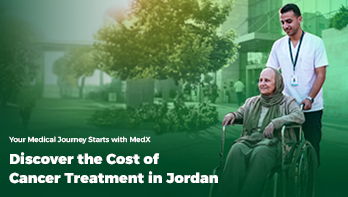
Understanding the cost of cancer treatment is an essential step for any patient planning to travel for care. Jordan has emerged as a premier medical destination, combining world-class healthcare with competitive pricing, particularly in the field of oncology. Cost of Cancer Treatment in Jordan Recent data from King Hussein Cancer Center (KHCC) indicate that the cost of cancer treatment in Jordan represents a significant burden on the healthcare system, reaching hundreds of millions annually, reflecting the scale of resources and technologies employed in care. Other reports show that the cost of treatment for a single case can be relatively high due to the use of advanced medications and modern technologies, particularly in advanced or complex cases. However, treatment costs in Jordan remain lower compared to many international destinations while maintaining high-quality care. What Determines the Cost of Cancer Treatment in Jordan? There are no fixed costs for cancer treatment, as they vary from one patient to another based on several key factors: Type of Cancer Some types require long or complex treatments, such as leukemia or pancreatic cancer, while others are relatively less costly. Stage of the Disease The earlier the cancer is detected, the simpler and less costly the treatment plan tends to be. Type of Treatment Used Treatment options include: Chemotherapy Radiation therapy Surgery Immunotherapy and targeted therapy Advanced treatments, such as immunotherapy, are often more costly due to their complexity and technological sophistication. Duration of Treatment Some treatment plans may extend over several months, which impacts the overall cost. Tests and Diagnostics These include: Advanced imaging (PET-CT) Genetic testing Routine checkups Why Is the Cost of Cancer Treatment in Jordan Reasonable Despite the use of advanced medical technologies, Jordan benefits from several factors that help reduce costs compared to other destinations: Government support and a well-integrated healthcare sector Availability of highly skilled medical professionals locally Lower operational costs compared to Western countries The presence of high-quality specialized centers, such as the King Hussein Cancer Center (KHCC). Additional Costs to Consider When planning treatment, some non-medical expenses should be considered, such as: Accommodation Transportation Daily living expenses Length of stay in Jordan Advance coordination is essential to avoid any unexpected costs. How MedXJordan Helps You Manage Costs? MedXJordan plays an important role in making the treatment journey clearer and more organized financially: Clear Cost Estimates It helps you obtain an approximate estimate of treatment costs before traveling, based on your medical condition. Avoiding Unnecessary Costs This is achieved by: Selecting the appropriate medical center and physician Organizing tests in advance Minimizing the unnecessary length of stay Comprehensive Coordination Scheduling appointments before arrival Arranging suitable accommodation Organizing a clear treatment plan Insurance Support Assistance with: Understanding insurance coverage Coordinating with international insurance providers Key Tips to Reduce the Cost of Cancer Treatment in Jordan Early diagnosis significantly lowers treatment costs Adhering to the treatment plan prevents complications Choosing a trusted medical center ensures better outcomes Coordinating in advance with a specialized organization like MedXJordan The cost of cancer treatment in Jordan is not a fixed number; rather, it is a journey influenced by several medical and personal factors. Nevertheless, Jordan remains a preferred destination, combining advanced medical care with reasonable costs, especially when planning and coordination are done in advance. With the support of MedXJordan, international patients can navigate this journey with confidence and clarity, minimizing complications and focusing on what matters most: treatment and recovery. FAQs Yes, a preliminary cost estimate can be provided after submitting medical reports, where the case is evaluated, and an appropriate treatment plan is determined. Tests and diagnostics are typically an essential part of the treatment plan; however, they may be calculated separately depending on the case and the type of tests required. Not always. Some treatments require staying for a specific period, while certain stages can be followed up remotely after returning to the patient’s home country. This depends on the insurance provider and the type of coverage. Advance coordination can help clarify what is included in the policy. It is preferable to have a companion, especially in cases that require continuous monitoring or emotional support; however, this depends on the patient’s condition and treatment plan. MedXJordan can also assist in arranging a companion when needed, ensuring greater comfort throughout the treatment and stay. Book an appointment with the best cancer care in Jordan

Cancer Care in Jordan: Why It’s a Preferred Destination for International Patients

In recent years, Jordan has emerged as one of the leading destinations for medical tourism in the MENA region, particularly in oncology and cancer management. This rise is driven by advanced healthcare quality, highly specialized medical expertise, and the availability of integrated treatment services at competitive costs compared to many Western nations. What is Cancer Care? Cancer refers to a group of diseases characterized by the uncontrolled growth of abnormal cells, which may spread to other parts of the body if not detected early. Treatment depends on several factors, including the type of cancer, its stage, and the patient’s overall health condition. Modern cancer care typically involves a combination of treatment options, such as: Chemotherapy Radiation Therapy Surgical Intervention Immunotherapy Hormone Therapy Targeted Therapy and Advanced Technologies The most appropriate treatment plan is determined for each patient after a comprehensive evaluation by a Multidisciplinary Team (MDT). King Hussein Cancer Center: A Regional Leader in Comprehensive Cancer Care King Hussein Cancer Center (KHCC) in Amman is widely recognized as one of the region’s leading specialized centers for cancer treatment. Key strengths of the center include: Comprehensive cancer care for both pediatric and adult patients, covering a wide range of cancer types with the highest standards of quality. A multidisciplinary team of more than 300 oncologists, physicians, and consultants, supported by highly experienced specialized nurses. Strategic partnerships with leading international cancer institutions, enabling the adoption of the latest global treatment protocols and best practices. Advanced treatment programs, including bone marrow transplantation, one of the largest programs of its kind in the region. The center follows standardized Clinical Pathway Guidelines to ensure consistent, high-quality, and effective patient care. Joint Commission International (JCI) accreditation for oncology care, reflecting the center’s commitment to the highest global standards of healthcare quality and patient safety. International Patient Services at King Hussein Cancer Center King Hussein Cancer Center welcomes patients from all nationalities and provides a dedicated International Patient Office to help coordinate every step of the treatment journey. Services typically include: Submitting medical records and required reports for review Communicating with physicians before traveling Scheduling diagnostic tests and treatment sessions in advance Assistance with travel arrangements and accommodation Typically required documents include a valid passport, medical reports, diagnostic test results, and the patient’s medical history. Cost of Cancer Treatment in Jordan The cost of cancer treatment in Jordan can vary significantly depending on several factors, including the type of cancer, its stage, the treatment approach, and the medications required. According to official data, the average cost of a comprehensive cancer treatment program in Jordan may reach approximately 30,000 Jordanian dinars per year (roughly 42,000 USD), with medications accounting for a significant portion of the overall cost. Actual treatment costs may vary based on the patient’s specific medical needs and may be higher in cases of advanced-stage disease or when specialized or intensive therapies are required. Advanced Cancer Care Services in Jordan Jordan’s cancer care system offers a comprehensive range of advanced medical services designed to support accurate diagnosis and effective treatment. Accurate Diagnosis Cancer centers in Jordan use advanced imaging technologies, including: PET-CT scans SPECT imaging Advanced imaging techniques Nuclear medicine and advanced diagnostic technologies help precisely locate tumors and evaluate their spread, which is a critical step in developing an effective and personalized treatment plan. Multidisciplinary Cancer Treatment Treatment plans are carefully tailored for each patient based on several key factors, including: The type of cancer Its stage The genetic characteristics of cancer cells The patient’s overall health condition Treatment may include a combination of the following approaches: Surgical treatment to remove the tumor when possible Chemotherapy to destroy or reduce cancer cells Radiation therapy using advanced technologies Immunotherapy stimulates the body’s immune system to fight cancer Insurance and Support Programs Programs such as Cancer Care Insurance help ensure access to treatment at the center through simplified procedures for enrolled members. These programs also offer additional benefits, such as regular screenings. How MedXJordan Supports You Throughout Your Cancer Treatment Journey MedXJordan supports you at every stage of your cancer treatment journey, from your initial consultation to follow-up care after returning to your home country. Before Your Arrival Reviewing your medical records and coordinating consultations with specialist physicians Preparing a preliminary treatment plan and arranging appointments in advance During Your Stay in Jordan Scheduling appointments at leading medical centers such as the King Hussein Cancer Center Arranging accommodation, airport reception, and transportation Providing ongoing medical coordination and direct communication with the treating medical team After Your Treatment Providing complete medical reports and documentation Remote follow-up consultations according to the recommended treatment plan FAQs Many types of cancer are curable, particularly when detected at an early stage. Examples include early-stage breast cancer, thyroid cancer, testicular cancer, certain types of skin cancer, and some childhood blood cancers. The chances of recovery depend greatly on early diagnosis and adherence to an appropriate treatment plan. Yes, in some cases cancer can be treated without chemotherapy. This depends on several factors, including the type of cancer, its stage, and its molecular characteristics. In certain situations, alternative treatments may be used instead, such as surgery alone, radiation therapy, hormone therapy, targeted therapy, or immunotherapy. Today, cancer treatment plans are more personalized, and chemotherapy is not used in all cases as it was in the past. Cancer is typically classified into four stages, from stage I to stage IV. Stage IV is considered the most advanced because it indicates that the cancer has spread to other parts of the body (metastasis). However, even at this stage, modern treatments can sometimes help control the disease for extended periods and improve the patient’s quality of life It cannot be said that there is a type of cancer that has absolutely no cure. However, some cancers can be more difficult to treat, especially when diagnosed at an advanced stage. Examples include advanced pancreatic cancer, certain aggressive brain tumors, and some types of lung cancer when detected at a late stage. Yes, advanced treatment options such as immunotherapy and targeted therapy are available in Jordan. The suitability of these treatments is determined based on a thorough medical evaluation and the patient’s specific condition. Book an appointment with the best cancer care in Jordan