

Heart Attack Symptoms: Warning Signs and When It Becomes an Emergency?
A heart attack may begin suddenly and severely, but it does not always happen this way. In some cases, symptoms start gradually and are mild or unclear, and may appear hours, days, or even weeks before the heart attack occurs.
A heart attack happens when blood flow to part of the heart muscle is blocked or significantly reduced, usually due to a blockage in one of the coronary arteries by a blood clot that forms after a fatty deposit inside the artery ruptures. As the oxygen supply is interrupted, the heart muscle begins to sustain damage within a short time, which is why a heart attack is considered a medical emergency requiring immediate treatment.
Knowing the symptoms of a heart attack and acting quickly can make an important difference, so it is essential not to ignore the symptoms or wait for them to go away on their own.
What Are the Most Common Symptoms of a Heart Attack
Symptoms vary from person to person, and not all symptoms necessarily appear at the same time. Among the most common symptoms of a heart attack are:
1. Chest Pain or Pressure
Chest pain or discomfort is one of the most common signs. The pain is not necessarily sharp, a person may instead feel:
- Pressure or heaviness in the middle of the chest.
- Tightness or constriction.
- A squeezing or fullness sensation.
- Pain or discomfort that lasts for several minutes or goes away and comes back.
This sensation can differ from one person to another, so one should not wait for severe pain to appear before seeking help.
2. Pain That Spreads to Other Parts of the Body
The pain or discomfort may spread from the chest area to other areas of the upper body, such as:
- One arm or both arms.
- The shoulder.
- The back.
- The neck.
- The jaw.
- The teeth.
- The upper abdomen.
The pain does not have to be in the left arm only; it can occur in one arm or both.
3. Shortness of Breath
Shortness of breath may occur with or without chest pain, and a person may feel unable to take a full breath or may have difficulty breathing. Shortness of breath is an important sign that calls for urgent medical evaluation when it appears suddenly, especially if it is accompanied by chest pain or pressure.
4. Cold Sweating
Sudden, unusual sweating may occur, especially when accompanied by chest pain or pressure, shortness of breath, or nausea. Cold sweating is one of the well-known symptoms of a heart attack.
5. Nausea or Vomiting
A heart attack can be accompanied by a feeling of nausea or vomiting. This symptom may be more pronounced in some people who do not have obvious chest pain, so it should not be ignored when it appears suddenly along with other symptoms.
6. Dizziness or Feeling Faint
A person may feel sudden dizziness, lightheadedness, or a sense of nearly losing consciousness. These symptoms can appear as a result of the effect on blood flow and heart function during a heart attack.
7. Severe or Unusual Fatigue
Sudden or unusual fatigue can be a sign accompanying a heart attack, especially when it appears alongside other symptoms. This sign may be less obvious than chest pain, so a person may not immediately connect it to the heart.
8. Indigestion or Heartburn
In some cases, heart attack symptoms may resemble those of indigestion or heartburn. For this reason, an unusual sensation in the chest or upper abdomen should not be assumed to be merely a digestive issue, especially if it is accompanied by shortness of breath, sweating, or pain spreading to the arm or jaw
Do Heart Attack Symptoms Differ in Women?
The way a heart attack presents can vary from person to person, and atypical symptoms are more common in some women compared with the classic symptoms. Even so, chest pain or discomfort is still one of the most common symptoms in women as well.
Symptoms that may appear in women can include:
- Shortness of breath.
- Nausea or vomiting.
- Upset stomach.
- Pain in the back, shoulder, or arm.
- Unusual fatigue or weakness.
- Dizziness
Medical sources such as the American Heart Association and the World Health Organization explain that women may experience symptoms that are less directly linked to a heart attack, so one should not wait for severe chest pain before seeking help
Do Heart Attack Symptoms Differ in Men?
The most common symptoms in men also include:
- Chest pressure or pain.
- Pain that spreads to the arm, shoulder, back, or jaw.
- Shortness of breath.
- Cold sweating.
- Nausea.
- Dizziness.
- Fatigue.
However, there is no rule stating that a heart attack in men must appear in a specific way; symptoms vary between individuals and may be mild or unclear
Can a Heart Attack Happen Without Chest Pain?
Yes. Not everyone experiences clear chest pain or pressure during a heart attack.
Symptoms may be less obvious in certain groups, including some women, older adults, and people with diabetes. They may experience symptoms such as shortness of breath, nausea, fatigue, or pain in the back or jaw without clear chest pain. Therefore, the absence of chest pain does not mean a heart attack can be ruled out
Are There Early Symptoms of a Heart Attack?
Some heart attacks may begin suddenly, while other people experience warning signs before they occur.
Examples of this include recurring chest pain or pressure, especially if it appears with exertion and does not easily go away with rest. Some signs may appear hours, days, or weeks before the attack, depending on the case. However, the presence of early symptoms cannot be relied upon to predict the timing of a heart attack, so any recurring cardiac symptoms should be medically evaluated.
What to Do If You Suspect a Heart Attack?
If symptoms appear that may indicate a heart attack, do not wait for them to improve on their own.
In Jordan: Call the unified emergency number 911 immediately.
The Jordanian Public Security Directorate confirms that 911 is the unified emergency number, and it also provides ambulance services and emergency response.
While waiting for help:
- Stop all activity and sit or lie down in a comfortable position.
- Do not drive yourself to the hospital if an ambulance can be called.
- Follow the emergency operator’s instructions.
- If the person loses consciousness and is no longer breathing normally, CPR should be started and an automated external defibrillator used if available, following emergency instructions.
Do not wait to confirm that what is happening is a heart attack. Diagnosis is made through medical evaluation and testing, while delaying in seeking help may allow damage to the heart muscle to continue
How Is a Heart Attack Diagnosed?
When a heart attack is suspected, the medical team begins by assessing the symptoms, vital signs, and health history, then carries out the necessary tests. The most important tests include:
1. Electrocardiogram (ECG)
An ECG records the electrical activity of the heart and can help detect changes associated with a heart attack.
2. Cardiac Enzyme and Troponin Testing
A blood test is used to measure certain proteins, most notably cardiac troponin, which rises when damage occurs to the heart muscle.
3. Additional Tests
Depending on the case, the doctor may need other tests to help determine the cause of the symptoms and the extent of the problem’s effect on the heart. These may include chest imaging or specialized tests and imaging of coronary arteries.
What Causes a Heart Attack?
Most heart attacks are caused by coronary artery disease and the buildup of fatty deposits inside the arteries, a process known as atherosclerosis.
One of these deposits may rupture, causing a blood clot to form that blocks the artery and reduces or cuts off blood flow to part of the heart muscle
What Are the Risk Factors for a Heart Attack?
There are factors that increase the risk of heart disease and heart attack, including:
- Smoking and tobacco use.
- High blood pressure.
- High cholesterol and blood fat levels.
- High blood sugar and diabetes.
- Overweight and obesity.
- Lack of physical activity.
- An unhealthy diet.
- Excessive alcohol consumption.
- Advancing age.
- A family history of heart disease.
- Certain other genetic and health factors.
The World Health Organization notes that controlling modifiable risk factors can help prevent a large proportion of cardiovascular disease
How Can a Heart Attack Be Prevented?
Not all risk factors can be controlled, but the risk of heart attack can be reduced through:
Quitting smoking: Avoiding tobacco is one of the most important steps for protecting heart health.
Following a balanced diet: Making sure to eat vegetables, fruits, and whole grains, and reducing salt and unhealthy fats.
Engaging in physical activity: Regular physical activity helps improve heart health and control certain risk factors.
Monitoring blood pressure: High blood pressure may not cause obvious symptoms, so it is important to measure it regularly and manage it when elevated.
Managing diabetes and cholesterol: Controlling high blood sugar and blood fat levels can help reduce the risk of heart disease.
Maintaining a healthy weight: Overweight and obesity are linked to a number of cardiac risk factors.
The World Health Organization recommends focusing on these factors as part of preventing cardiovascular disease.
The Difference Between a Heart Attack and Cardiac Arrest
A heart attack occurs when blood flow to part of the heart muscle is cut off or reduced, usually due to a blockage in one of the coronary arteries.
Cardiac arrest is an electrical problem that causes the heart to stop pumping blood effectively.
A heart attack can lead to cardiac arrest in some cases, but they are two different conditions
Does All Chest Pain Mean a Heart Attack?
No. Chest pain can occur due to many different conditions, including some problems involving the heart, lungs, digestive system, and muscles.
However, because some causes of chest pain can be serious, pain that is sudden or severe, or accompanied by shortness of breath, sweating, nausea, or pain spreading to the arm, jaw, or back, requires urgent medical evaluation.
Knowing the symptoms of a heart attack does not mean diagnosing yourself; it helps you recognize the signs that call for prompt action.
FAQs
What are the first symptoms of a heart attack?
A heart attack may begin with pain, pressure, or tightness in the middle of the chest, and this sensation may spread to the arm, shoulder, back, neck, or jaw. It may also be accompanied by shortness of breath, cold sweating, nausea, or dizziness.
Does arm pain mean a heart attack?
Arm pain can be one of the symptoms of a heart attack, especially if it is accompanied by chest pain or pressure, shortness of breath, sweating, or nausea. However, arm pain alone does not confirm a heart attack, and it requires medical evaluation if it is sudden or unusual.
Can a heart attack occur without chest pain?
Yes. Some heart attacks can occur without clear chest pain, especially in some women, older adults, and people with diabetes.
Does a heart attack always happen suddenly?
No. Some heart attacks happen suddenly, while other people may experience warning signs hours, days, or weeks beforehand.
How is a heart attack confirmed?
Doctors use the symptoms and a clinical examination together with tests such as an ECG and a blood troponin test, and additional tests may be used depending on the case.
Book an appointment with the best Cardiologists in Jordan

Vitamin D Deficiency Symptoms: Signs, Causes, Diagnosis, and Treatment
Vitamin D is an essential nutrient for overall health. It helps the body absorb calcium and maintain healthy bones and muscles. The body produces some vitamin D when the skin is exposed to sunlight, and it can also be obtained from certain foods and supplements.
But what happens when vitamin D levels become low? And can vitamin D deficiency symptoms be easily recognized?
In many cases, vitamin D deficiency may not cause noticeable symptoms, or the symptoms may be general and nonspecific, such as fatigue and body aches. As the deficiency persists or becomes severe, more noticeable problems may develop, particularly affecting the bones and muscles.
What Is Vitamin D and Why Does the Body Need It?
Vitamin D is a fat-soluble vitamin that plays an essential role in regulating the absorption of calcium and phosphate, two minerals that are important for bone growth and maintaining bone strength. Vitamin D also contributes to normal muscle function. Therefore, severe vitamin D deficiency can affect muscle strength and bone health.
The body obtains vitamin D from three main sources:
- Exposure to sunlight
- Certain foods that are naturally rich in vitamin D or fortified with it
- Supplements when needed and under medical supervision
However, exposure to sunlight alone does not necessarily mean that a person is getting an adequate amount of vitamin D. The body’s ability to produce vitamin D is affected by various factors, including age, skin color, and the amount of skin exposed to sunlight.
What Are the Most Common Symptoms of Vitamin D Deficiency?
It is important to note that vitamin D deficiency symptoms are not always obvious and may resemble those of many other conditions. Therefore, symptoms alone cannot be used to confirm vitamin D deficiency. Some of the signs that may occur, particularly when the deficiency is more severe, include:
1. Fatigue and Tiredness
Some people may experience persistent fatigue or low energy without an obvious cause. However, fatigue alone does not necessarily indicate vitamin D deficiency, as it can have many other health-related causes.
2. Bone Pain
Severe vitamin D deficiency can lead to poor bone mineralization, a condition known as Osteomalacia in adults, which may be accompanied by bone pain.
Bone pain may occur in different areas, such as the lower back, pelvis, legs, or feet.
3. Muscle Weakness
Muscle weakness can occur with severe vitamin D deficiency. It may become more noticeable when performing activities such as climbing stairs or getting up from a low chair.
4. Muscle Pain
Some people may experience muscle aches or pain when vitamin D levels are low, particularly in cases of more severe deficiency.
5. Weakened Bones and Increased Risk of Bone Problems
Vitamin D plays an important role in maintaining bone health. Therefore, severe and prolonged deficiency can lead to weakened bones.
In children, vitamin D deficiency can cause rickets, while in adolescents and adults, it may lead to Osteomalacia.
6. Difficulty Moving in Severe Cases
When vitamin D deficiency is severe, muscle weakness and bone pain may make movement or certain daily activities difficult.
7. Muscle Cramps in Certain Cases
In very severe cases accompanied by low calcium levels, muscle contractions or cramps may occur. However, these are not typical symptoms of mild vitamin D deficiency.
Do Vitamin D Deficiency Symptoms Differ Between Women and Men?
In general, there is no separate or fixed list of symptoms specifically associated with women or men.
Vitamin D deficiency can cause symptoms in both sexes, including:
- Fatigue
- Bone pain
- Muscle weakness
- Muscle pain
- Poor bone health in cases of severe deficiency
However, the likelihood of developing vitamin D deficiency may vary depending on factors such as age, sun exposure, diet, certain health conditions, and medications.
What Causes Vitamin D Deficiency?
Vitamin D deficiency can occur for several reasons and is not solely caused by insufficient sun exposure. Factors that may increase the risk include:
1. Limited Sun Exposure
People who spend most of their time indoors or whose skin is not exposed to sufficient sunlight may be at greater risk of having low vitamin D levels.
2. Darker Skin
The skin may have a reduced ability to produce vitamin D from sunlight in people with darker skin.
3. Aging
As people age, the skin becomes less efficient at producing vitamin D when exposed to sunlight. Therefore, older adults are among those at greater risk of deficiency.
4. Certain Gastrointestinal Disorders
Conditions that affect fat absorption, such as Crohn’s disease, Celiac disease, and certain Inflammatory Bowel Diseases, can reduce vitamin D absorption.
5. Obesity
People with obesity may be at greater risk of having low vitamin D levels.
6. Weight-Loss Surgery
Certain weight-loss surgeries, such as Gastric Bypass surgery, can affect the absorption of vitamin D.
7. Diet
The risk of deficiency may increase in people who do not consume adequate dietary sources of vitamin D.
Who Is at Greater Risk of Vitamin D Deficiency?
Certain groups are more likely to have low vitamin D levels, including:
- Older adults.
- People who do not get sufficient sun exposure.
- People with darker skin.
- People with obesity.
- People with conditions that affect fat absorption.
- People who have undergone certain weight-loss surgeries.
- People who do not get enough vitamin D from their diet.
- Certain infants who are exclusively breastfed without receiving appropriate vitamin D supplementation as recommended by a healthcare professional.
How Is Vitamin D Deficiency Diagnosed?
Vitamin D deficiency cannot be confirmed based on symptoms alone. A blood test measuring 25-hydroxyvitamin D [25(OH)D] is commonly used as the main indicator of vitamin D status in the body.
According to the U.S. National Institutes of Health (NIH):
|
General Interpretation |
25(OH)D Level |
|
Associated with vitamin D deficiency |
Less than 12 ng/mL |
|
Generally considered inadequate |
12 to less than 20 ng/mL |
|
Adequate for most people with regard to bone health and overall health |
20 ng/mL or higher |
|
May be associated with adverse effects, particularly at higher levels |
More than 50 ng/mL |
Medical sources emphasize that test results should be interpreted in the context of an individual’s overall health. The definition of an “optimal” level may also vary depending on the individual and their health circumstances.
How Is Vitamin D Deficiency Treated?
Treatment depends on the severity and cause of the deficiency and the individual’s health condition. Treatment may include:
- Increasing dietary sources of vitamin D.
- Appropriate sun exposure in accordance with health recommendations and the individual’s circumstances.
- Taking vitamin D supplements when needed.
- Treating the underlying cause of the deficiency, such as certain absorption disorders.
Taking high doses of vitamin D supplements without medical advice to raise levels quickly is not recommended. Excessive supplementation can lead to high blood calcium levels and health complications and may cause kidney problems and other disorders.
Can Vitamin D Deficiency Be Prevented?
The risk of vitamin D deficiency can be reduced by following a healthy lifestyle and obtaining adequate sources of the vitamin. Dietary sources include certain types of fatty fish, egg yolks, and some foods fortified with vitamin D. However, for some people, it may be difficult to obtain sufficient vitamin D from food alone.
As for supplements, they are best used based on an individual’s needs and a healthcare professional’s recommendation, particularly when considering high doses.
Can Excessive Vitamin D Intake Cause Side Effects?
Yes. Although vitamin D is important for health, excessive intake of vitamin D supplements can lead to vitamin D toxicity and high blood calcium levels.
Symptoms may include nausea, vomiting, muscle weakness, loss of appetite, excessive thirst, and frequent urination. More serious complications, such as kidney stones, kidney failure, or abnormal heart rhythms, may occur in severe cases. Therefore, increasing the dose is not a safe way to treat vitamin D deficiency without medical supervision.
When Should You See a Doctor?
If you experience persistent fatigue, unexplained bone or muscle pain, or muscle weakness that affects your ability to move, it is advisable to consult a doctor rather than assuming that vitamin D deficiency is the cause. Medical evaluation is also recommended if you belong to a group at increased risk of vitamin D deficiency or have a condition that may affect vitamin D absorption.
A doctor can determine whether a 25(OH)D test is appropriate, interpret the results, and develop a suitable treatment plan.
Medical Disclaimer: This article is intended for health education and is not a substitute for medical consultation or diagnosis. Do not start or stop vitamin D supplements or change the dosage without consulting a healthcare professional, particularly if you have chronic health conditions or are taking other medications.
FAQs
Can Vitamin D Be Taken Daily?
Vitamin D supplements may be used when needed, but the appropriate dosage varies from person to person. High doses should be avoided without medical supervision, as excessive intake may cause toxicity and health complications.
Is Sun Exposure Enough to Treat Vitamin D Deficiency?
This depends on several factors, and it cannot be assumed that sun exposure alone will correct the deficiency in everyone. If a blood test shows a deficiency, a doctor can determine the appropriate treatment approach.
Does Vitamin D Deficiency Cause Bone Pain?
Yes. Severe vitamin D deficiency can lead to Osteomalacia, which may cause bone pain and weakness.
Does Vitamin D Deficiency Cause Fatigue?
Vitamin D deficiency may be associated with fatigue, but fatigue is a nonspecific symptom that can result from many health conditions. Therefore, it cannot be considered sufficient evidence of vitamin D deficiency.
Can Vitamin D Deficiency Be Treated Without Supplements?
This depends on the severity and cause of the deficiency. Vitamin D can be obtained from sunlight and certain foods, but some people may need supplements based on a doctor’s assessment.
Book Your Test at the Best Medical Centers in Jordan

Balneotherapy: Its Benefits and the Best Therapeutic Destinations in Jordan
For centuries, mineral waters and hot springs have been associated with relaxation and wellness. With the evolution of the concept of medical and wellness tourism, treatment with mineral waters has become part of some complementary treatment and rehabilitation programs, especially in regions known for their natural springs rich in minerals.
The use of natural mineral waters for therapeutic purposes is known as Balneotherapy, which may include bathing or immersion in thermal mineral waters, and sometimes the use of therapeutic mud associated with mineral sources. Scientific reviews indicate potential benefits of these practices for certain conditions, particularly some joint and muscle conditions and certain skin diseases, while further high-quality studies are still needed to accurately determine their effectiveness.
In this article, we will explore balneotherapy, its potential benefits, the best therapeutic destinations in Jordan, and how to benefit from it safely.
What Is Balneotherapy?
Balneotherapy, also known as mineral water therapy, is a form of thermal water treatment that relies on the use of natural water containing minerals and various chemical components, often at a high temperature when it emerges from the springs.
The composition of mineral water varies from one source to another; it may contain different proportions of elements such as sulfur, calcium, magnesium, sodium, and others.
The potential effects of balneotherapy do not depend on minerals alone, as water temperature, buoyancy, hydrostatic pressure, and relaxation during immersion can also play a role in its potential therapeutic or functional effects.
What Is the Difference Between Balneotherapy and Hydrotherapy?
The two terms may sometimes be used interchangeably, but there is a clear distinction between them:
Hydrotherapy relies on the use of water in general as part of therapeutic or rehabilitation programs and may involve plain water at different temperatures.
Balneotherapy relies on natural mineral or thermal waters rich in minerals, often found in springs or therapeutic resorts.
Scientific evidence indicates that some benefits may be associated with the physical properties of water, such as buoyancy and temperature, while minerals may provide additional effects that are still being investigated scientifically.
What Are the Potential Benefits of Balneotherapy?
The benefits vary depending on the type of water, its temperature, and the person’s health condition. Some of the main potential benefits include:
1. Relieving Joint Pain
Joint conditions such as Osteoarthritis are among the most studied cases. Scientific reviews have shown that balneotherapy may help:
- Reduce pain
- Improve joint mobility
- Enhance quality of life
However, these results do not replace primary medical treatment; rather, they are considered supportive or complementary.
2. Supporting Rehabilitation Programs
Warm water helps reduce pressure on the joints due to buoyancy, allowing easier movement during physical therapy.
Therefore, hydrotherapy and balneotherapy are used as part of:
- Rehabilitation after injuries
- Treatment of muscle problems
- Improving mobility after surgical operations
3. Relieving Lower Back Pain
Some studies indicate that balneotherapy may help relieve chronic lower back pain. However, the extent to which the minerals themselves contribute to these effects, compared with the effects of heat and relaxation, remains unclear.
4. Improving Certain Skin Conditions
The effects of thermal mineral waters have been studied in conditions such as:
- Psoriasis
- Eczema
Some findings have shown improvements in symptoms, but the evidence remains limited and requires further research.
5. Reducing Stress and Promoting Relaxation
Immersion in warm water may help:
- Reduce stress
- Improve mood
- Promote a sense of comfort
This makes balneotherapy an important part of the concept of medical and wellness tourism.
The Best Therapeutic Destinations in Jordan
Jordan stands out as a leading destination for medical and wellness tourism thanks to the diversity of its thermal and mineral water sources, most notably:
1. Ma’in Hot Springs
Ma’in Hot Springs is one of the most famous therapeutic destinations in Jordan and is located near the Dead Sea.
It is characterized by:
- Natural hot water waterfalls
- Mineral-rich waters
- Temperatures reaching approximately 63°C
- A location below sea level that adds to the unique experience
Today, the area serves as a leading destination for:
- Relaxation
- Hydrotherapy
- Wellness and therapeutic programs
2. The Dead Sea
The Dead Sea is considered one of the most important therapeutic destinations worldwide and is renowned for:
- Mineral-rich mud
- Highly saline waters
- Potential effects on skin conditions
It is often incorporated into comprehensive treatment programs at therapeutic resorts.
3. Afra Hot Springs
Located in southern Jordan, Afra Hot Springs is characterized by:
- Natural sulfur springs
- Warm, mineral-rich waters
- A peaceful natural environment
It is commonly used for relaxation and complementary treatment.
Is Balneotherapy a Medical Treatment or a Wellness Experience?
It can be both, depending on how it is used:
Complementary treatment: As part of a medical plan or rehabilitation program under the supervision of a specialist.
Wellness experience: For relaxation and improving quality of life.
However, it is important not to consider it a substitute for primary medical treatment.
Can Mineral Water Be Consumed for Therapeutic Purposes?
Not necessarily. Balneotherapy usually relies on bathing or immersion rather than drinking.
Also worth noting:
- Not every water source is safe for drinking.
- The composition of water varies from one location to another.
A specialist should be consulted before using mineral water for any therapeutic purpose.
Is Balneotherapy Suitable for Everyone?
Not always. Some people may need to exercise caution, particularly those with:
- Heart conditions
- Blood pressure problems
- Chronic health conditions
Attention should also be paid to:
- Water temperature
- Session duration
- Any symptoms such as dizziness or fatigue
Tips for Benefiting from Balneotherapy Safely
- Consult a doctor if you have a chronic health condition.
- Do not stay in hot water for extended periods.
- Drink enough water.
- Stop immediately if you feel uncomfortable.
- Choose reputable resorts.
- Consider it a complementary treatment, not a substitute for medical treatment.
If you are planning treatment or a wellness trip in Jordan, MedXJordan can help you with:
- Finding doctors and hospitals
- Booking medical appointments
- Organizing your therapeutic trip
- Sharing medical reports
- Coordinating logistics services
- Supporting your treatment and medical tourism experience
Our goal is to make it easier for patients to access healthcare services in Jordan and to provide a comprehensive and safe therapeutic experience.
FAQ
What is balneotherapy?
It is the use of natural, mineral-rich waters for therapeutic or relaxation purposes, usually through bathing or immersion.
Does it help treat joint conditions?
It may help relieve pain and improve mobility, but it is a complementary treatment rather than a primary treatment.
What are the best therapeutic destinations in Jordan?
Ma’in Hot Springs and the Dead Sea are among the most prominent therapeutic destinations.
Is balneotherapy safe?
Yes, in most cases, but caution is advised for people with heart conditions or blood pressure problems.
Can it be used instead of medical treatment?
No. It should only be used as a complementary treatment.
Book Your Medical and Wellness Journey with MedXJordan
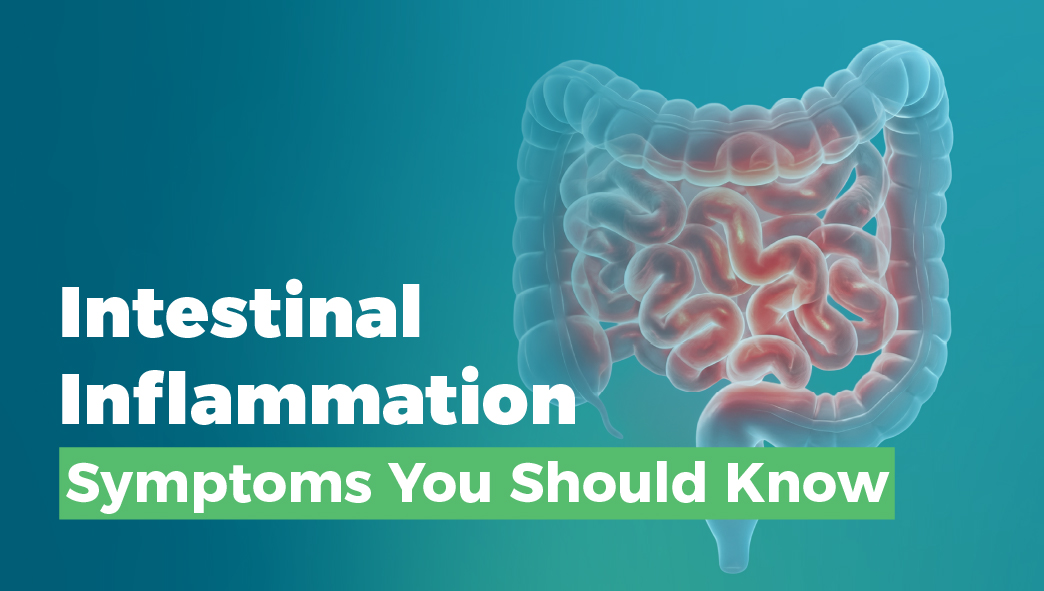
Intestinal Inflammation: Symptoms, Causes, Diagnosis, and Treatment
Intestinal Inflammation is a health condition that can significantly affect the digestive system and a patient’s quality of life, particularly when the inflammation is associated with chronic conditions such as Crohn’s Disease and Ulcerative Colitis, which are the two main types of Inflammatory Bowel Disease (IBD).
Symptoms may range from diarrhea, abdominal pain, bloating, and fatigue to more noticeable symptoms such as blood in the stool and unexplained weight loss. Some cases may involve periods when symptoms become more severe, followed by periods of remission during which symptoms improve significantly or disappear.
What Is Intestinal Inflammation?
Intestinal Inflammation is a general term used to describe inflammation affecting the intestines. It may occur as a result of various causes and conditions. When referring specifically to Inflammatory Bowel Disease (IBD), the term primarily refers to two chronic conditions:
Crohn’s Disease: Can affect any part of the digestive tract, from the mouth to the anus, but most commonly affects the small intestine and the beginning of the large intestine.
Ulcerative Colitis: Affects the lining of the colon and rectum, causing inflammation and ulcers in these areas.
These conditions are characterized by periods of active disease or flare-ups, which may alternate with periods of remission, during which symptoms improve or disappear.
Note: Intestinal inflammation is not the same as Irritable Bowel Syndrome (IBS). IBS does not cause inflammation or damage to the digestive tract, whereas Inflammatory Bowel Disease (IBD) involves actual inflammation of the tissues.
What Causes Intestinal Inflammation?
The exact cause of some forms of Inflammatory Bowel Disease (IBD) is not yet fully understood. However, medical evidence suggests that their development is associated with a combination of factors, including:
1. Abnormal Immune System Response
An abnormal immune response may cause the immune system to attack tissues in the digestive tract, resulting in inflammation.
2. Genetic Factors
Having a family history of Inflammatory Bowel Disease (IBD) may increase a person’s likelihood of developing the condition.
3. Gut Microbiome
Changes in the bacteria and other microorganisms present in the digestive tract are believed to play a role in the development of the disease in some people.
4. Environmental Factors
A combination of environmental factors may interact with genetic predisposition and immune responses, potentially contributing to the development of the disease.
It is important to note that diet and stress are not considered direct causes of Inflammatory Bowel Disease (IBD). However, certain foods or increased levels of stress may worsen symptoms or trigger flare-ups in some patients.
What Are the Symptoms of Intestinal Inflammation?
Symptoms vary depending on the type of disease, the location of the inflammation, and its severity. Common symptoms include:
- Frequent diarrhea
- Abdominal pain and cramps
- Blood in the stool
- Bloating or abdominal discomfort
- An urgent and frequent need to have a bowel movement
- Loss of appetite
- Unexplained weight loss
- Fatigue and exhaustion
- Fever in some cases
Some patients may also experience additional symptoms, such as joint pain or problems affecting the skin and eyes, particularly in cases of chronic Inflammatory Bowel Disease (IBD).
When Are the Symptoms More Concerning?
Persistent symptoms should not be ignored, particularly blood in the stool, frequent and ongoing diarrhea, abdominal pain, unexplained weight loss, or fever. Some cases may require prompt medical evaluation to determine the underlying cause and appropriate treatment.
What Is the Difference Between Crohn’s Disease and Ulcerative Colitis?
Although Crohn’s Disease and Ulcerative Colitis are both types of Inflammatory Bowel Disease (IBD), there are important differences between them:
|
Comparison |
Crohn’s Disease |
Ulcerative Colitis |
|
Location |
Can affect any part of the digestive tract | Affects the colon and rectum |
|
Nature of Inflammation |
May extend into the deeper layers of the intestinal wall |
Primarily affects the lining of the colon and rectum |
|
Diarrhea |
Common and may occur without blood | Often accompanied by blood |
|
Abdominal pain |
Common |
Common, particularly in the lower abdomen |
|
Weight loss |
May be significant, particularly when the small intestine is affected |
May occur, particularly in severe cases |
|
Surgery |
May be used to treat complications but does not cure Crohn’s disease |
May be curative for ulcerative colitis in certain cases |
These differences help doctors determine the most appropriate diagnostic tests and treatment for each condition.
How Is Intestinal Inflammation Diagnosed?
There is not always a single test that can diagnose Inflammatory Bowel Disease (IBD). Therefore, doctors rely on a combination of medical history, physical examination, and diagnostic tests.
1. Medical History and Physical Examination
The doctor begins by asking about the nature and duration of symptoms, as well as the patient’s medical and family history, followed by a physical examination.
2. Blood Tests
Blood tests can help identify signs of inflammation, anemia, and certain complications associated with the disease.
3. Stool Tests
Stool tests may be used to detect inflammation and rule out other possible causes of symptoms, such as certain infections.
4. Colonoscopy
Colonoscopy is an important test for evaluating the colon and rectum. During the procedure, the doctor may take small tissue samples, known as biopsies, for examination.
5. Imaging Tests
In some cases, the doctor may use Computed Tomography (CT) scans or other imaging tests to evaluate the intestines and identify potential complications.
How Is Intestinal Inflammation Treated?
Treatment varies depending on the type of disease, the location and severity of the inflammation, and the patient’s overall health.
The primary goals of treatment are to reduce inflammation, control symptoms, achieve remission and maintain it, and reduce the risk of complications.
Anti-Inflammatory Medications
Doctors may prescribe medications that help reduce inflammation in the intestines. These are among the main treatment options for certain conditions, particularly mild to moderate ulcerative colitis.
Corticosteroids
Corticosteroids may be used for limited periods to control moderate to severe inflammatory flare-ups. They are generally not recommended for long-term use because of their potential side effects.
Immunosuppressive Medications
Some medications work by reducing immune system activity that contributes to inflammation. They may be appropriate for certain patients based on the doctor’s assessment.
Biologic and Targeted Therapies
Advanced treatments are available that target specific pathways involved in inflammation. These may be an option for patients with moderate to severe disease or for those who do not respond adequately to other treatments.
Surgery
Surgery may be necessary in some cases, particularly when complications occur or when the disease does not respond adequately to medication.
For Ulcerative Colitis, removal of the colon and rectum can cure the disease. In contrast, surgery is not considered a cure for Crohn’s Disease, although it may be necessary to treat certain complications, such as intestinal obstruction, fistulas, or abscesses.
Can the Symptoms of Intestinal Inflammation Be Managed?
Yes. Appropriate treatment and regular medical follow-up can help many patients control their symptoms and achieve prolonged periods of remission.
Depending on the patient’s condition, certain supportive actions may also help, including:
- Monitoring symptoms and keeping track of foods that may worsen them.
- Taking prescribed medications as directed.
- Following appropriate nutritional recommendations from a doctor or dietitian.
- Drinking an adequate amount of fluids.
- Avoiding foods that the patient notices worsen symptoms, particularly during flare-ups.
- Maintaining good sleep habits and managing stress.
There is no single diet that works for everyone with Inflammatory Bowel Disease (IBD). Therefore, it is preferable to receive individualized dietary advice from a doctor or dietitian.
What Are the Complications of Intestinal Inflammation?
When the disease is active or poorly controlled, various complications may occur. These vary depending on the type and severity of the disease and may include:
- Anemia
- Dehydration
- Malnutrition and deficiencies of certain vitamins and minerals
- Intestinal obstruction, particularly in some cases of Crohn’s disease
- Fistulas and abscesses in Crohn’s disease
- Bone problems
- Inflammation affecting the joints, skin, or eyes
- An increased risk of Colorectal Cancer in some patients, particularly those with chronic inflammation of the colon
Therefore, early diagnosis and regular follow-up with a Gastroenterologist can help reduce the risk of complications and improve disease control.
Intestinal Inflammation Treatment in Jordan with MedXJordan
If you are looking for treatment for Intestinal Inflammation in Jordan, MedXJordan can help you access appropriate medical providers and coordinate your treatment journey.
MedXJordan portal provides patients with services including searching for doctors and hospitals, booking appointments, telemedicine consultations, and managing and sharing medical reports with doctors when needed. It also provides treatment journey planning and coordination of logistical services for patients traveling to Jordan from abroad.
Important: The information provided in this article should not be relied upon to diagnose a medical condition or select a medication. The causes and forms of Intestinal Inflammation vary from person to person, and a doctor should determine the appropriate tests and treatment after evaluating the patient’s condition.
FAQs
Is Intestinal Inflammation a Chronic Condition?
Crohn’s Disease and Ulcerative Colitis are chronic conditions that often involve periods of active disease and remission. Treatment can help control the disease and maintain remission.
Can Intestinal Inflammation Be Cured Completely?
This depends on the underlying condition. Crohn’s disease and ulcerative colitis can be managed with available treatments, but Crohn’s disease may recur even after surgery. In contrast, removal of the colon and rectum can be curative for ulcerative colitis in certain cases.
What Are the Most Common Symptoms of Intestinal Inflammation?
Common symptoms include diarrhea, abdominal pain and cramps, blood in the stool, weight loss, loss of appetite, and fatigue.
Is Intestinal Inflammation the Same as Irritable Bowel Syndrome (IBS)?
No. IBS does not cause inflammation or damage to the tissues of the digestive tract, whereas Intestinal Inflammation involves actual inflammation of the intestines.
Does Food Cause Intestinal Inflammation?
Diet is not considered a direct cause of Inflammatory Bowel Disease (IBD). However, certain foods may worsen symptoms in some patients, particularly during flare-ups.
Book an appointment with the best gastroenterologist in Jordan

Why Is Jordan Considered One of the Best Wellness Tourism Destinations in the Middle East?
Interest in medical and wellness tourism has grown significantly in recent years, with patients increasingly seeking destinations that offer high-quality healthcare alongside an environment that supports recovery and relaxation. Jordan has emerged as one of the leading countries in the Middle East that successfully combines advanced medical services with unique natural attractions, making it a preferred destination for patients and visitors from around the world.
From the Dead Sea to its mineral-rich hot springs, and from internationally accredited hospitals to highly qualified healthcare professionals, Jordan offers a comprehensive experience that combines medical treatment and wellness in a safe and comfortable environment.
In this article, we explore the key reasons why Jordan is considered one of the best wellness tourism destinations in the region and what makes its healthcare and wellness experience truly distinctive.
What Is Wellness Therapy?
Wellness therapy refers to the use of natural resources or specialized health programs to help improve one’s health condition, accelerate recovery, and enhance quality of life. It may include the use of mineral-rich waters, therapeutic mud, physical therapy, and rehabilitation programs, along with specialized medical supervision.
Wellness differs from conventional medical treatment, as it is often used as a complementary part of a treatment plan or during the recovery phase following certain illnesses or surgical procedures.
Why is Jordan a Leading Wellness Destination?
1. Unique Natural Resources Not Widely Available Elsewhere
Jordan is home to exceptional natural therapeutic destinations that are recognized worldwide for their wellness benefits, including:
- The Dead Sea, known for its high concentration of salts and minerals.
- Ma’in Hot Springs, distinguished by their warm mineral springs.
- Natural mineral waters found across several regions of the Kingdom.
These resources are used within wellness programs under the supervision of specialized medical bodies, particularly for certain skin and joint conditions, as well as relaxation and rehabilitation programs.
2. An Advanced Medical Sector
Jordan’s distinction is not limited to its natural resources; it also has an advanced healthcare sector that includes:
- Modern hospitals equipped with the latest technologies.
- Specialized centers across various medical fields.
- Physicians and consultants with extensive experience.
- Qualified nursing and technical staff.
This integration between medical treatment and wellness has helped make Jordan a preferred destination for many patients from the region and beyond.
3. Highly Skilled Medical Professionals
Jordan is home to a distinguished group of physicians and consultants across various specialties, many of whom follow the latest international medical protocols and bring years of experience treating both local and international patients.
4. Competitive Treatment Costs
Compared to many other countries, Jordan offers high-quality medical and wellness services at competitive costs, making it a suitable choice for patients seeking exceptional healthcare without incurring high expenses.
5. Easy Access and Supporting Services
Jordan is easily accessible from many Arab countries, in addition to offering:
- A variety of hotels and wellness resorts.
- Comfortable transportation services.
- Advanced infrastructure.
- A safe and stable environment.
All of this contributes to providing a comfortable therapeutic experience for patients and their companions.
Who Can Benefit from Wellness Programs?
Based on the evaluation of a specialized physician, wellness programs may benefit individuals with:
- Certain skin conditions.
- Joint pain and rheumatism.
- Muscle pain.
- Post-surgical conditions.
- Sports injuries.
- Chronic stress and fatigue.
- The need for rehabilitation and improved physical fitness.
It should be emphasized that the appropriate wellness program varies from person to person and is determined based on the individual’s health condition and medical recommendations.
What is the Difference Between Medical Tourism and Wellness Tourism?
Many people confuse these two concepts, although there is a clear difference between them:
Medical Tourism: Refers to traveling to another country to receive medical treatment, such as surgical procedures, diagnostic tests, or specialized treatments.
Wellness Tourism: Focuses on benefiting from natural therapeutic resources, wellness programs, physiotherapy, and rehabilitation to promote recovery and improve overall health. It is often used as a complementary approach to medical treatment.
With MedXJordan, both types come together within an integrated healthcare ecosystem, providing patients with an exceptional therapeutic experience.
How Does Nature Contribute to a Better Recovery Experience?
Numerous studies indicate that a calm environment, fresh air, and relaxation, combined with adherence to an appropriate treatment plan, may help improve a patient’s physical and psychological well-being. As a result, natural destinations can play a supportive role during the recovery phase for some patients.
However, wellness therapy should be considered part of a treatment plan determined by a physician and should not be regarded as a substitute for medical treatment when needed.
Why Do Patients Choose Jordan?
Many patients choose Jordan for the following reasons:
- High-quality healthcare services.
- Access to the latest medical technologies.
- The expertise of physicians.
- Natural therapeutic resources.
- Affordable costs.
- Its geographic location, close to most Arab countries.
- Ease of communication in both Arabic and English.
- The availability of comprehensive services for international patients.
How Can MedXJordan Help You?
If you are planning a medical or wellness trip to Jordan, MedXJordan offers an integrated platform that helps you organize your journey with ease, through:
- Search for physicians by specialty, symptoms, or treatment.
- Schedule appointments with physicians, hospitals, and medical centers.
- Browse accredited hospitals, clinics, and medical centers.
- Coordinate treatment programs and medical tourism arrangements.
- Assist with accommodation and transportation arrangements for international patients.
- Follow up on the patient’s journey before arrival and throughout treatment.
Our goal is to make it easier for patients to access healthcare services in Jordan and to provide a comprehensive and safe therapeutic experience.
FAQ
Is wellness therapy a substitute for medical treatment?
No. It is considered a complementary approach in certain cases and should be provided under specialized medical supervision.
What is the difference between medical tourism and wellness tourism?
Medical tourism involves traveling to receive medical treatment, while wellness tourism focuses on recovery and benefiting from natural therapeutic resources and wellness programs.
Is Jordan suitable for international patients?
Yes. Jordan offers advanced healthcare services, well-developed infrastructure, and comprehensive support services for international patients.
Can treatment and wellness be combined?
Yes. Many patients choose to combine medical treatment with wellness programs during the recovery phase, based on their physician’s recommendations.
Who can benefit from wellness programs?
Patients with certain skin and joint conditions, as well as individuals in the rehabilitation phase, may benefit, based on the physician’s evaluation.
Book Your Medical and Wellness Journey with MedXJordan

Open-Heart Surgery: Causes, Types, Procedure, and Recovery
Open-Heart Surgery is a major surgical procedure used to treat a wide range of heart conditions, particularly those that require direct repair or replacement of heart structures or the blood vessels connected to the heart. Although the term “Open-Heart Surgery” may sound intimidating, significant advances in cardiac surgery, anesthesia, and intensive care have greatly improved surgical outcomes and recovery rates.
The decision to perform Open-Heart Surgery depends on several factors, including the patient’s condition, the type and severity of the heart disease, age, and overall health. Every patient undergoes a comprehensive evaluation by a cardiologist and a cardiac surgeon to determine the most appropriate treatment approach.
What Is Open-Heart Surgery?
Open-Heart Surgery is a general term that refers to a group of cardiac surgical procedures in which the surgeon accesses the heart through an incision in the chest to perform the necessary treatment. In certain procedures, a heart-lung machine (Cardiopulmonary Bypass Machine) may be used temporarily to maintain blood circulation and oxygen delivery throughout the body during surgery.
The term “open-heart” does not necessarily mean that the chambers of the heart are opened in every case. Whether the heart itself is opened depends on the specific procedure and the condition being treated.
Why Is Open-Heart Surgery Performed?
A doctor may recommend Open-Heart Surgery when medications or less invasive treatments are no longer sufficient. Common indications include:
- Coronary artery disease with significant narrowing or blockage
- Heart valve diseases
- Certain congenital heart defects
- Aortic aneurysm in selected cases
- Specific heart disorders requiring surgical correction
- Heart transplantation in advanced, carefully selected cases
The appropriate surgical procedure is determined after thorough diagnostic testing and a detailed assessment of the patient’s heart condition.
Types of Open-Heart Surgery
1. Coronary Artery Bypass Surgery
Also known as Coronary Artery Bypass Grafting (CABG), is performed to improve blood flow to the heart muscle when one or more coronary arteries are severely narrowed or blocked.
During the procedure, the surgeon uses a healthy blood vessel from another part of the body to create a new pathway that allows blood to bypass the blocked artery.
2. Heart Valve Repair or Replacement
Heart valves may become narrowed (stenosis) or fail to close properly (regurgitation), affecting normal blood flow. Depending on the patient’s condition, the damaged valve may be repaired or replaced with either an artificial or a biological (tissue) valve.
3. Repair of Certain Congenital Heart Defects
Open-Heart Surgery can correct certain congenital heart defects present from birth, including septal defects and other structural abnormalities that interfere with normal blood circulation.
4. Aortic Surgery
Some patients require surgery to treat an aortic aneurysm or other disorders affecting the aorta. The type of procedure depends on the location, size, and severity of the condition.
What Tests Are Required Before Open-Heart Surgery?
Before surgery, patients typically undergo a comprehensive preoperative evaluation, which may include:
- Blood tests
- Electrocardiogram (ECG)
- Echocardiogram
- Chest imaging
- Coronary angiography, when indicated
- Pulmonary function tests in selected cases
- Assessment of chronic medical conditions and current medications
Patients should inform their medical team about all prescription medications and dietary supplements they are taking, particularly blood-clotting medications. No medication should be discontinued without medical advice.
How Is Open-Heart Surgery Performed?
Although the surgical steps vary depending on the specific procedure, they generally include:
- Administration of general anesthesia.
- Accessing the heart through a surgical incision in the chest.
- Performing the required repair or surgical treatment.
- Using a heart-lung machine when necessary.
- Closing the surgical incision after the procedure is completed.
The duration of surgery varies according to the type of operation and the complexity of the patient’s condition.
How Long Does Recovery Take After Open-Heart Surgery?
Recovery time varies from one patient to another and generally takes several weeks. Factors influencing recovery include:
- Type of surgery
- Patient’s age
- Overall health status
- Presence of chronic medical conditions
- Development of any postoperative complications
- Adherence to medical instructions and participation in a cardiac rehabilitation program
Because the sternum requires time to heal, patients should carefully follow their medical team’s recommendations regarding movement, lifting weights, and the gradual return to daily activities.
What Are the Potential Risks of Open-Heart Surgery?
Like any major surgical procedure, Open-Heart Surgery carries potential risks, including:
- Bleeding
- Infection
- Cardiac arrhythmias
- Blood clots
- Anesthesia-related complications
- Kidney or lung complications in certain patients
- Stroke in some cases
The level of risk varies considerably between patients. Before surgery, the medical team discusses the expected benefits and potential risks with each patient to support informed decision-making.
How Much Does Open-Heart Surgery Cost in Jordan?
The cost of Open-Heart Surgery in Jordan varies depending on several factors, and there is no fixed price that applies to all patients. Factors affecting the overall cost include:
- The type of surgery required, such as Coronary Artery Bypass Grafting, valve repair, or valve replacement
- The complexity of the condition and the number of arteries or valves requiring treatment
- The experience of the cardiac surgeon and medical team
- The hospital or medical center where the procedure is performed
- Length of hospital stay and Intensive Care Unit (ICU) admission
- Preoperative diagnostic tests
- Medications and postoperative care
- The need for cardiac rehabilitation after surgery
Overall, Jordan is recognized as a leading medical tourism destination, offering advanced cardiac care at competitive costs compared with many other countries while maintaining high standards of quality and patient care. As a result, many local and international patients choose Jordan for specialized heart treatment.
For a more accurate cost estimate, patients are encouraged to submit their recent medical reports for review. This allows the medical team to assess the condition, recommend the most appropriate treatment plan, and provide an individualized estimate of the expected costs and services included.
Heart Disease Treatment in Jordan with MedXJordan
If you are seeking evaluation or treatment for heart disease in Jordan, MedXJordan can help connect you with experienced cardiologists and accredited hospitals while coordinating appointments and medical services.
International patients can also benefit from comprehensive medical travel coordination, including airport reception, transportation, accommodation arrangements tailored to their needs, and assistance in obtaining a preliminary treatment cost estimate based on their medical reports.
Begin your treatment journey in Jordan with MedXJordan and receive dedicated support in organizing every step of your care with confidence and ease.
FAQs
Is Open-Heart Surgery Dangerous?
Open-Heart Surgery is considered a major surgical procedure and carries potential risks that vary depending on the type of surgery, the patient’s age, and overall health. The medical team carefully evaluates the risks and benefits for each patient before recommending surgery.
How Long Does Open-Heart Surgery Take?
The duration of surgery depends on the specific procedure and the complexity of the case. Most procedures take several hours, and your cardiac surgeon will provide an estimated operating time based on your treatment plan.
How Long Does a Patient Stay in the Hospital After Surgery?
The length of hospitalization varies depending on the type of surgery, the patient’s recovery progress, and overall health. Some patients are discharged after several days, while others may require a longer hospital stay if complications arise.
Can I Exercise After Open-Heart Surgery?
Yes. Most patients can gradually return to physical activity after receiving approval from their doctor. Participation in a structured cardiac rehabilitation program may help patients resume exercise safely and effectively.
When Can I Travel After Open-Heart Surgery?
The appropriate time to travel depends on the type of surgery, the patient’s recovery and clinical stability, as well as the duration and mode of travel. Patients should consult their doctor and obtain medical clearance before planning any trip, particularly long-distance air travel.
Book an appointment with the best Cardiologists in Jordan

Irritable Bowel Syndrome (IBS): Causes, Symptoms, Latest Treatment Options, and When to See a Doctor
Irritable Bowel Syndrome (IBS) is one of the most common gastrointestinal disorders worldwide, affecting millions of people and causing bothersome symptoms that may persist for long periods, such as abdominal pain, bloating, diarrhea, constipation, or alternating episodes of both.
Although IBS does not cause permanent damage to the intestines or increase the risk of colon cancer, it can significantly affect quality of life and the ability to perform daily activities.
In this comprehensive guide, we will learn about the causes of Irritable Bowel Syndrome (IBS), its symptoms, methods of diagnosis, and the latest treatment options, as well as how to obtain appropriate medical care in Jordan.
What is Irritable Bowel Syndrome (IBS)?
Irritable Bowel Syndrome (IBS) is a functional disorder of the large intestine, meaning that the problem lies in the way the digestive system functions rather than in the presence of an organic disease or obvious inflammation.
Symptoms of IBS occur as a result of abnormal bowel movements or increased intestinal sensitivity, and they may worsen due to psychological stress, certain types of food, or hormonal changes.
What are the symptoms of Irritable Bowel Syndrome (IBS)?
Symptoms vary from one person to another, but the most common include:
- Abdominal pain or cramps
- Bloating and a feeling of abdominal fullness
- Increased gas
- Frequent diarrhea
- Chronic constipation
- Alternating episodes of diarrhea and constipation
- A feeling of incomplete bowel evacuation
- Passage of mucus with the stool in some cases
Symptoms often improve after bowel movements; however, they may recur, especially during periods of stress or after consuming certain foods.
What Causes Irritable Bowel Syndrome (IBS)?
To date, no single confirmed etiology has been established for IBS; however, physicians believe that several contributing factors may play a role, including:
1. Intestinal Dysmotility
Intestinal muscles may contract either more rapidly or more slowly than normal, resulting in diarrhea or constipation.
2. Visceral Hypersensitivity
Some individuals experience significant pain even with mild intestinal distension.
3. Psychological Stress and Emotional Distress
Stress is considered one of the most significant factors contributing to the exacerbation of IBS symptoms.
4. Gut Microbiota Imbalance
Disruptions in the balance of beneficial bacteria within the gastrointestinal tract may contribute to symptom development.
5. Dietary Triggers
Common foods that may trigger symptoms include:
- High-fat foods
- Fried foods
- Carbonated beverages
- Caffeine
- Spicy foods
- Certain dairy products
- Legumes in susceptible individuals
Who Is at Greater Risk of Developing IBS?
- The likelihood of developing IBS is higher among:
- Women more than men
- Individuals under the age of 50
- Positive family history
- Individuals suffering from anxiety or depression
- Those exposed to chronic psychological stress
Classification of Irritable Bowel Syndrome (IBS)
Physicians classify IBS into four main types:
Constipation-Predominant Irritable Bowel Syndrome (IBS-C)
The patient experiences constipation most of the time.
Diarrhea Predominant Irritable Bowel Syndrome (IBS-D)
Characterized by recurrent episodes of diarrhea.
IBS with Mixed Bowel Habits (IBS-M)
Characterized by alternating episodes of constipation and diarrhea.
Unclassified Irritable Bowel Syndrome (IBS-U)
Does not clearly fit into any of the previous classifications.
How Is Irritable Bowel Syndrome (IBS) Diagnosed?
There is no single test that can definitively confirm a diagnosis of IBS. Therefore, physicians rely on:
- Medical history
- Symptom assessment
- Clinical examination
The physician may also request certain investigations to rule out other conditions, such as:
- Blood tests
- Stool analysis
- Colonoscopy, when indicated
- Testing for celiac disease or lactose intolerance
When Should You See a Doctor?
Although Irritable Bowel Syndrome (IBS) is not considered a serious condition, certain symptoms require prompt medical evaluation, including:
- Unexplained weight loss
- Hematochezia (Blood in the stool)
- Anemia
- Fever
- Nocturnal pain that awakens the patient from sleep
- New-onset symptoms after the age of 50
- Positive family history of colorectal cancer or inflammatory bowel disease (IBD)
Treatment of Irritable Bowel Syndrome (IBS)
Treatment is primarily aimed at symptom relief and lifestyle modification.
First: Dietary Modification
Physicians recommend the following dietary measures:
- Eating small, frequent meals
- Increasing water intake
- Reducing dietary fat
- Avoiding foods that trigger symptoms
- Gradually increasing fiber intake in cases of constipation
- Following a Low-FODMAP diet under professional supervision when indicated
Second: Regular Physical Activity
Regular exercise may help:
- Improve bowel motility
- Reduce stress
- Improve sleep quality
Third: Stress Management
Helpful strategies may include:
- Relaxation exercises
- Yoga
- Meditation
- Cognitive Behavioral Therapy (CBT)
Fourth: Medications
Depending on the patient’s condition, the physician may prescribe:
- Antispasmodics
- Medications for constipation
- Medications for diarrhea
- Probiotics
- Low-dose antidepressants for pain relief in selected cases
Medications should not be taken without consulting a physician.
How Can MedXJordan Help You?
MedXJordan provides you with an integrated medical journey through:
- Scheduling appointments with leading gastroenterologists and digestive disease consultants in Jordan
- Coordinating care with top hospitals and medical centers
- Arranging medical evaluations and investigations prior to arrival in Jordan
- Providing treatment programs tailored to the needs of international patients
- Airport meet-and-greet services
- Hotel and accommodation arrangements
- Transportation services
- Medical interpretation services when needed
- Continuous patient support throughout the treatment journey until returning home
Our goal is to facilitate your medical journey and provide a safe and comfortable experience from the initial consultation through the completion of treatment.
FAQs
Is Irritable Bowel Syndrome (IBS) a serious condition?
No, but it may significantly affect quality of life if symptoms are not properly managed.
Does IBS cause colorectal cancer?
No, IBS does not increase the risk of developing colorectal cancer.
Does stress affect IBS?
Yes, stress and anxiety are among the most common factors associated with the worsening of symptoms in many patients.
What is the best treatment for IBS?
Treatment depends on the type and severity of symptoms and may include dietary modification, stress management, and physician-prescribed medications.
Does the patient need a companion during the treatment journey?
It is preferable to have a companion, especially in cases that require continuous monitoring or emotional support; however, this depends on the patient’s condition and treatment plan. MedXJordan can also assist in arranging a companion when needed, ensuring greater comfort throughout the treatment and stay.
Book an appointment with the best gastroenterologist in Jordan

Ma’in Hot Springs: A Natural Wellness Destination in Jordan
Ma’in Hot Springs is one of the leading natural therapeutic destinations in Jordan, where breathtaking landscapes blend with warm mineral-rich waters to offer a unique wellness experience. Located in a stunning valley near the Dead Sea, the thermal waterfalls are rich in minerals and attract visitors from all over the world seeking relaxation and therapeutic benefits.
Through MedXJordan, an integrated wellness journey can be organized to Ma’in Hot Springs, combining natural healing experiences with medical supervision and seamless tourism and hospitality services.
What are Ma’in Hot Springs?
Ma’in Hot Springs are a group of natural hot springs that emerge from deep within the earth at temperatures reaching approximately 63°C. The waters flow through natural waterfalls and are rich in beneficial minerals such as:
- Sulfur
- Calcium
- Magnesium
- Potassium
These waters have been used since ancient times for therapeutic purposes, as they are believed to have properties that help relieve a wide range of health conditions.
Therapeutic Benefits of Ma’in Hot Springs
- Treatment of Skin Conditions
The minerals found in Ma’in Hot Springs waters help in:
- Relieving symptoms of eczema
- Improving psoriasis conditions
- Cleansing the skin from impurities
The sulfur-rich waters are known for their antibacterial and anti-inflammatory properties, making them a natural option for supporting the treatment of various skin conditions.
- Relief of Joint and Muscle Pain
The hot mineral waters are used for:
- Relieving rheumatic pain
- Reducing muscle spasms
- Improving joint flexibility
Hydrotherapy is a well-recognized form of physical therapy used to reduce pain and improve mobility.
- Improving Blood Circulation
The natural heat of the waters helps in:
- Dilating blood vessels
- Stimulating blood circulation
- Enhancing oxygen delivery to tissues
This positively impacts overall health and increases feelings of vitality.
- Stress Reduction and Mental Well-being
Relaxing under the hot waterfalls in a calm, natural environment helps in:
- Reducing stress and anxiety
- Improving sleep quality
- Enhancing overall mental relaxation and well-being
Why Are Ma’in Hot Springs Considered A Leading Destination for Medical Tourism?
Ma’in Hot Springs is defined by several key factors that make it an ideal destination:
- Its prime location near the Dead Sea.
- The availability of specialized therapeutic resorts.
- Breath-taking mountain landscapes perfect for relaxation.
- Naturally occurring mineral-rich waters with no artificial intervention.
It is considered an important part of the medical tourism experience in Jordan, which combines nature with medical services.
An Integrated Therapeutic Experience with MedXJordan
Through MedXJordan, patients and visitors can benefit from integrated treatment programs that include:
- Treatment sessions at Ma’in Hot Springs
- Specialized medical consultations (dermatology or physiotherapy)
- Booking at nearby therapeutic resorts
- Transportation and accommodation arrangements
- Medical follow-up before and after the trip
This ensures a safe and comfortable therapeutic experience, especially for visitors coming from outside Jordan.
Who Can Benefit from Ma’in Hot Springs?
Ma’in Hot Springs may be suitable for individuals suffering from:
- Skin conditions
- Joint and muscle pain
- Stress and fatigue
- Circulatory problems
However, it is always recommended to consult a physician before starting any treatment program.
Ma’in Hot Springs offer a unique experience that combines nature and therapy, providing an ideal option for those seeking natural healing away from conventional treatments. With the support of MedXJordan, you can benefit from this experience as part of a comprehensive treatment program that ensures your comfort and desired results.
FAQs
Are Ma’in Hot Springs safe for everyone?
Generally yes, but they may not be suitable for certain cases, such as patients with heart conditions or high blood pressure, without prior medical consultation.
How long is a treatment session?
Sessions typically range between 15 to 30 minutes, depending on the water temperature and the patient’s condition.
How long does a medical trip take?
Treatment programs generally range from several days to two weeks to achieve the best results.
Can Ma'in Hot Springs be combined with Dead Sea therapy?
Yes, and this is what makes Jordan a distinctive destination, as multiple wellness experiences can be combined into one program through MedXJordan.
Cost of Cancer Treatment in Jordan: What International Patients Need to Know
Understanding the cost of cancer treatment is an essential step for any patient planning to travel for care. Jordan has emerged as a premier medical destination, combining world-class healthcare with competitive pricing, particularly in the field of oncology.
Cost of Cancer Treatment in Jordan
Recent data from King Hussein Cancer Center (KHCC) indicate that the cost of cancer treatment in Jordan represents a significant burden on the healthcare system, reaching hundreds of millions annually, reflecting the scale of resources and technologies employed in care.
Other reports show that the cost of treatment for a single case can be relatively high due to the use of advanced medications and modern technologies, particularly in advanced or complex cases. However, treatment costs in Jordan remain lower compared to many international destinations while maintaining high-quality care.
What Determines the Cost of Cancer Treatment in Jordan?
There are no fixed costs for cancer treatment, as they vary from one patient to another based on several key factors:
- Type of Cancer
Some types require long or complex treatments, such as leukemia or pancreatic cancer, while others are relatively less costly.
- Stage of the Disease
The earlier the cancer is detected, the simpler and less costly the treatment plan tends to be.
- Type of Treatment Used
Treatment options include:
- Chemotherapy
- Radiation therapy
- Surgery
- Immunotherapy and targeted therapy
Advanced treatments, such as immunotherapy, are often more costly due to their complexity and technological sophistication.
- Duration of Treatment
Some treatment plans may extend over several months, which impacts the overall cost.
- Tests and Diagnostics
These include:
- Advanced imaging (PET-CT)
- Genetic testing
- Routine checkups
Why Is the Cost of Cancer Treatment in Jordan Reasonable
Despite the use of advanced medical technologies, Jordan benefits from several factors that help reduce costs compared to other destinations:
- Government support and a well-integrated healthcare sector
- Availability of highly skilled medical professionals locally
- Lower operational costs compared to Western countries
The presence of high-quality specialized centers, such as the King Hussein Cancer Center (KHCC).
Additional Costs to Consider
When planning treatment, some non-medical expenses should be considered, such as:
- Accommodation
- Transportation
- Daily living expenses
- Length of stay in Jordan
Advance coordination is essential to avoid any unexpected costs.
How MedXJordan Helps You Manage Costs?
MedXJordan plays an important role in making the treatment journey clearer and more organized financially:
- Clear Cost Estimates
It helps you obtain an approximate estimate of treatment costs before traveling, based on your medical condition.
- Avoiding Unnecessary Costs
This is achieved by:
- Selecting the appropriate medical center and physician
- Organizing tests in advance
- Minimizing the unnecessary length of stay
- Comprehensive Coordination
- Scheduling appointments before arrival
- Arranging suitable accommodation
- Organizing a clear treatment plan
- Insurance Support
Assistance with:
- Understanding insurance coverage
- Coordinating with international insurance providers
Key Tips to Reduce the Cost of Cancer Treatment in Jordan
- Early diagnosis significantly lowers treatment costs
- Adhering to the treatment plan prevents complications
- Choosing a trusted medical center ensures better outcomes
- Coordinating in advance with a specialized organization like MedXJordan
The cost of cancer treatment in Jordan is not a fixed number; rather, it is a journey influenced by several medical and personal factors. Nevertheless, Jordan remains a preferred destination, combining advanced medical care with reasonable costs, especially when planning and coordination are done in advance.
With the support of MedXJordan, international patients can navigate this journey with confidence and clarity, minimizing complications and focusing on what matters most: treatment and recovery.
FAQs
Can the cost of treatment be determined before traveling?
Yes, a preliminary cost estimate can be provided after submitting medical reports, where the case is evaluated, and an appropriate treatment plan is determined.
Does the cost of treatment include tests and diagnostics?
Tests and diagnostics are typically an essential part of the treatment plan; however, they may be calculated separately depending on the case and the type of tests required.
Does the patient need to stay in Jordan for the entire treatment period?
Not always. Some treatments require staying for a specific period, while certain stages can be followed up remotely after returning to the patient’s home country.
Does international insurance cover the cost of cancer treatment in Jordan?
This depends on the insurance provider and the type of coverage. Advance coordination can help clarify what is included in the policy.
Does the patient need a companion during the treatment journey?
It is preferable to have a companion, especially in cases that require continuous monitoring or emotional support; however, this depends on the patient’s condition and treatment plan. MedXJordan can also assist in arranging a companion when needed, ensuring greater comfort throughout the treatment and stay.
Book an appointment with the best cancer care in Jordan

Cancer Care in Jordan: Why It’s a Preferred Destination for International Patients
In recent years, Jordan has emerged as one of the leading destinations for medical tourism in the MENA region, particularly in oncology and cancer management. This rise is driven by advanced healthcare quality, highly specialized medical expertise, and the availability of integrated treatment services at competitive costs compared to many Western nations.
What is Cancer Care?
Cancer refers to a group of diseases characterized by the uncontrolled growth of abnormal cells, which may spread to other parts of the body if not detected early. Treatment depends on several factors, including the type of cancer, its stage, and the patient’s overall health condition.
Modern cancer care typically involves a combination of treatment options, such as:
- Chemotherapy
- Radiation Therapy
- Surgical Intervention
- Immunotherapy
- Hormone Therapy
- Targeted Therapy and Advanced Technologies
The most appropriate treatment plan is determined for each patient after a comprehensive evaluation by a Multidisciplinary Team (MDT).
King Hussein Cancer Center: A Regional Leader in Comprehensive Cancer Care
King Hussein Cancer Center (KHCC) in Amman is widely recognized as one of the region’s leading specialized centers for cancer treatment.
Key strengths of the center include:
- Comprehensive cancer care for both pediatric and adult patients, covering a wide range of cancer types with the highest standards of quality.
- A multidisciplinary team of more than 300 oncologists, physicians, and consultants, supported by highly experienced specialized nurses.
- Strategic partnerships with leading international cancer institutions, enabling the adoption of the latest global treatment protocols and best practices.
- Advanced treatment programs, including bone marrow transplantation, one of the largest programs of its kind in the region.
- The center follows standardized Clinical Pathway Guidelines to ensure consistent, high-quality, and effective patient care.
Joint Commission International (JCI) accreditation for oncology care, reflecting the center’s commitment to the highest global standards of healthcare quality and patient safety.
International Patient Services at King Hussein Cancer Center
King Hussein Cancer Center welcomes patients from all nationalities and provides a dedicated International Patient Office to help coordinate every step of the treatment journey. Services typically include:
- Submitting medical records and required reports for review
- Communicating with physicians before traveling
- Scheduling diagnostic tests and treatment sessions in advance
- Assistance with travel arrangements and accommodation
Typically required documents include a valid passport, medical reports, diagnostic test results, and the patient’s medical history.
Cost of Cancer Treatment in Jordan
The cost of cancer treatment in Jordan can vary significantly depending on several factors, including the type of cancer, its stage, the treatment approach, and the medications required.
According to official data, the average cost of a comprehensive cancer treatment program in Jordan may reach approximately 30,000 Jordanian dinars per year (roughly 42,000 USD), with medications accounting for a significant portion of the overall cost.
Actual treatment costs may vary based on the patient’s specific medical needs and may be higher in cases of advanced-stage disease or when specialized or intensive therapies are required.
Advanced Cancer Care Services in Jordan
Jordan’s cancer care system offers a comprehensive range of advanced medical services designed to support accurate diagnosis and effective treatment.
Accurate Diagnosis
Cancer centers in Jordan use advanced imaging technologies, including:
- PET-CT scans
- SPECT imaging
- Advanced imaging techniques
Nuclear medicine and advanced diagnostic technologies help precisely locate tumors and evaluate their spread, which is a critical step in developing an effective and personalized treatment plan.
Multidisciplinary Cancer Treatment
Treatment plans are carefully tailored for each patient based on several key factors, including:
- The type of cancer
- Its stage
- The genetic characteristics of cancer cells
- The patient’s overall health condition
Treatment may include a combination of the following approaches:
- Surgical treatment to remove the tumor when possible
- Chemotherapy to destroy or reduce cancer cells
- Radiation therapy using advanced technologies
- Immunotherapy stimulates the body’s immune system to fight cancer
Insurance and Support Programs
Programs such as Cancer Care Insurance help ensure access to treatment at the center through simplified procedures for enrolled members. These programs also offer additional benefits, such as regular screenings.
How MedXJordan Supports You Throughout Your Cancer Treatment Journey
MedXJordan supports you at every stage of your cancer treatment journey, from your initial consultation to follow-up care after returning to your home country.
Before Your Arrival
- Reviewing your medical records and coordinating consultations with specialist physicians
- Preparing a preliminary treatment plan and arranging appointments in advance
During Your Stay in Jordan
- Scheduling appointments at leading medical centers such as the King Hussein Cancer Center
- Arranging accommodation, airport reception, and transportation
- Providing ongoing medical coordination and direct communication with the treating medical team
After Your Treatment
- Providing complete medical reports and documentation
- Remote follow-up consultations according to the recommended treatment plan
FAQs
Which types of cancer are curable?
Many types of cancer are curable, particularly when detected at an early stage. Examples include early-stage breast cancer, thyroid cancer, testicular cancer, certain types of skin cancer, and some childhood blood cancers.
The chances of recovery depend greatly on early diagnosis and adherence to an appropriate treatment plan.
Can cancer be treated without chemotherapy?
Yes, in some cases cancer can be treated without chemotherapy. This depends on several factors, including the type of cancer, its stage, and its molecular characteristics.
In certain situations, alternative treatments may be used instead, such as surgery alone, radiation therapy, hormone therapy, targeted therapy, or immunotherapy.
Today, cancer treatment plans are more personalized, and chemotherapy is not used in all cases as it was in the past.
What is the most advanced stage of cancer?
Cancer is typically classified into four stages, from stage I to stage IV. Stage IV is considered the most advanced because it indicates that the cancer has spread to other parts of the body (metastasis).
However, even at this stage, modern treatments can sometimes help control the disease for extended periods and improve the patient’s quality of life
Is there a type of cancer that has no cure?
It cannot be said that there is a type of cancer that has absolutely no cure. However, some cancers can be more difficult to treat, especially when diagnosed at an advanced stage. Examples include advanced pancreatic cancer, certain aggressive brain tumors, and some types of lung cancer when detected at a late stage.
Are immunotherapy and other advanced treatments available in Jordan?
Yes, advanced treatment options such as immunotherapy and targeted therapy are available in Jordan. The suitability of these treatments is determined based on a thorough medical evaluation and the patient’s specific condition.