
Balneotherapy: Its Benefits and the Best Therapeutic Destinations in Jordan
For centuries, mineral waters and hot springs have been associated with relaxation and wellness. With the evolution of the concept of medical and wellness tourism, treatment with mineral waters has become part of some complementary treatment and rehabilitation programs, especially in regions known for their natural springs rich in minerals.
The use of natural mineral waters for therapeutic purposes is known as Balneotherapy, which may include bathing or immersion in thermal mineral waters, and sometimes the use of therapeutic mud associated with mineral sources. Scientific reviews indicate potential benefits of these practices for certain conditions, particularly some joint and muscle conditions and certain skin diseases, while further high-quality studies are still needed to accurately determine their effectiveness.
In this article, we will explore balneotherapy, its potential benefits, the best therapeutic destinations in Jordan, and how to benefit from it safely.
What Is Balneotherapy?
Balneotherapy, also known as mineral water therapy, is a form of thermal water treatment that relies on the use of natural water containing minerals and various chemical components, often at a high temperature when it emerges from the springs.
The composition of mineral water varies from one source to another; it may contain different proportions of elements such as sulfur, calcium, magnesium, sodium, and others.
The potential effects of balneotherapy do not depend on minerals alone, as water temperature, buoyancy, hydrostatic pressure, and relaxation during immersion can also play a role in its potential therapeutic or functional effects.
What Is the Difference Between Balneotherapy and Hydrotherapy?
The two terms may sometimes be used interchangeably, but there is a clear distinction between them:
Hydrotherapy relies on the use of water in general as part of therapeutic or rehabilitation programs and may involve plain water at different temperatures.
Balneotherapy relies on natural mineral or thermal waters rich in minerals, often found in springs or therapeutic resorts.
Scientific evidence indicates that some benefits may be associated with the physical properties of water, such as buoyancy and temperature, while minerals may provide additional effects that are still being investigated scientifically.
What Are the Potential Benefits of Balneotherapy?
The benefits vary depending on the type of water, its temperature, and the person’s health condition. Some of the main potential benefits include:
1. Relieving Joint Pain
Joint conditions such as Osteoarthritis are among the most studied cases. Scientific reviews have shown that balneotherapy may help:
- Reduce pain
- Improve joint mobility
- Enhance quality of life
However, these results do not replace primary medical treatment; rather, they are considered supportive or complementary.
2. Supporting Rehabilitation Programs
Warm water helps reduce pressure on the joints due to buoyancy, allowing easier movement during physical therapy.
Therefore, hydrotherapy and balneotherapy are used as part of:
- Rehabilitation after injuries
- Treatment of muscle problems
- Improving mobility after surgical operations
3. Relieving Lower Back Pain
Some studies indicate that balneotherapy may help relieve chronic lower back pain. However, the extent to which the minerals themselves contribute to these effects, compared with the effects of heat and relaxation, remains unclear.
4. Improving Certain Skin Conditions
The effects of thermal mineral waters have been studied in conditions such as:
- Psoriasis
- Eczema
Some findings have shown improvements in symptoms, but the evidence remains limited and requires further research.
5. Reducing Stress and Promoting Relaxation
Immersion in warm water may help:
- Reduce stress
- Improve mood
- Promote a sense of comfort
This makes balneotherapy an important part of the concept of medical and wellness tourism.
The Best Therapeutic Destinations in Jordan
Jordan stands out as a leading destination for medical and wellness tourism thanks to the diversity of its thermal and mineral water sources, most notably:
1. Ma’in Hot Springs
Ma’in Hot Springs is one of the most famous therapeutic destinations in Jordan and is located near the Dead Sea.
It is characterized by:
- Natural hot water waterfalls
- Mineral-rich waters
- Temperatures reaching approximately 63°C
- A location below sea level that adds to the unique experience
Today, the area serves as a leading destination for:
- Relaxation
- Hydrotherapy
- Wellness and therapeutic programs
2. The Dead Sea
The Dead Sea is considered one of the most important therapeutic destinations worldwide and is renowned for:
- Mineral-rich mud
- Highly saline waters
- Potential effects on skin conditions
It is often incorporated into comprehensive treatment programs at therapeutic resorts.
3. Afra Hot Springs
Located in southern Jordan, Afra Hot Springs is characterized by:
- Natural sulfur springs
- Warm, mineral-rich waters
- A peaceful natural environment
It is commonly used for relaxation and complementary treatment.
Is Balneotherapy a Medical Treatment or a Wellness Experience?
It can be both, depending on how it is used:
Complementary treatment: As part of a medical plan or rehabilitation program under the supervision of a specialist.
Wellness experience: For relaxation and improving quality of life.
However, it is important not to consider it a substitute for primary medical treatment.
Can Mineral Water Be Consumed for Therapeutic Purposes?
Not necessarily. Balneotherapy usually relies on bathing or immersion rather than drinking.
Also worth noting:
- Not every water source is safe for drinking.
- The composition of water varies from one location to another.
A specialist should be consulted before using mineral water for any therapeutic purpose.
Is Balneotherapy Suitable for Everyone?
Not always. Some people may need to exercise caution, particularly those with:
- Heart conditions
- Blood pressure problems
- Chronic health conditions
Attention should also be paid to:
- Water temperature
- Session duration
- Any symptoms such as dizziness or fatigue
Tips for Benefiting from Balneotherapy Safely
- Consult a doctor if you have a chronic health condition.
- Do not stay in hot water for extended periods.
- Drink enough water.
- Stop immediately if you feel uncomfortable.
- Choose reputable resorts.
- Consider it a complementary treatment, not a substitute for medical treatment.
If you are planning treatment or a wellness trip in Jordan, MedXJordan can help you with:
- Finding doctors and hospitals
- Booking medical appointments
- Organizing your therapeutic trip
- Sharing medical reports
- Coordinating logistics services
- Supporting your treatment and medical tourism experience
Our goal is to make it easier for patients to access healthcare services in Jordan and to provide a comprehensive and safe therapeutic experience.
FAQ
What is balneotherapy?
It is the use of natural, mineral-rich waters for therapeutic or relaxation purposes, usually through bathing or immersion.
Does it help treat joint conditions?
It may help relieve pain and improve mobility, but it is a complementary treatment rather than a primary treatment.
What are the best therapeutic destinations in Jordan?
Ma’in Hot Springs and the Dead Sea are among the most prominent therapeutic destinations.
Is balneotherapy safe?
Yes, in most cases, but caution is advised for people with heart conditions or blood pressure problems.
Can it be used instead of medical treatment?
No. It should only be used as a complementary treatment.
Book Your Medical and Wellness Journey with MedXJordan
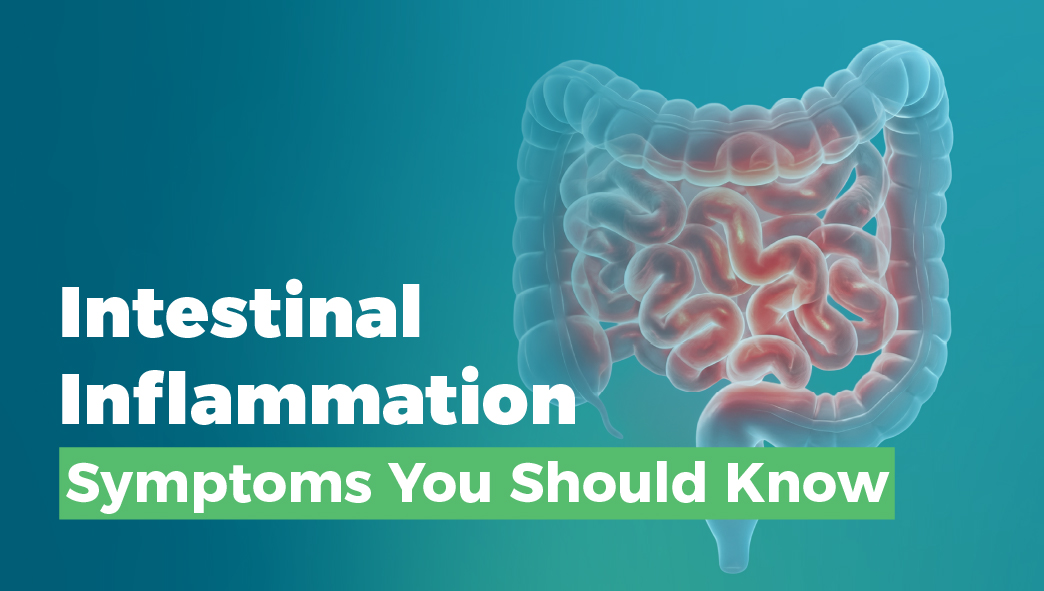
Intestinal Inflammation: Symptoms, Causes, Diagnosis, and Treatment
Intestinal Inflammation is a health condition that can significantly affect the digestive system and a patient’s quality of life, particularly when the inflammation is associated with chronic conditions such as Crohn’s Disease and Ulcerative Colitis, which are the two main types of Inflammatory Bowel Disease (IBD).
Symptoms may range from diarrhea, abdominal pain, bloating, and fatigue to more noticeable symptoms such as blood in the stool and unexplained weight loss. Some cases may involve periods when symptoms become more severe, followed by periods of remission during which symptoms improve significantly or disappear.
What Is Intestinal Inflammation?
Intestinal Inflammation is a general term used to describe inflammation affecting the intestines. It may occur as a result of various causes and conditions. When referring specifically to Inflammatory Bowel Disease (IBD), the term primarily refers to two chronic conditions:
Crohn’s Disease: Can affect any part of the digestive tract, from the mouth to the anus, but most commonly affects the small intestine and the beginning of the large intestine.
Ulcerative Colitis: Affects the lining of the colon and rectum, causing inflammation and ulcers in these areas.
These conditions are characterized by periods of active disease or flare-ups, which may alternate with periods of remission, during which symptoms improve or disappear.
Note: Intestinal inflammation is not the same as Irritable Bowel Syndrome (IBS). IBS does not cause inflammation or damage to the digestive tract, whereas Inflammatory Bowel Disease (IBD) involves actual inflammation of the tissues.
What Causes Intestinal Inflammation?
The exact cause of some forms of Inflammatory Bowel Disease (IBD) is not yet fully understood. However, medical evidence suggests that their development is associated with a combination of factors, including:
1. Abnormal Immune System Response
An abnormal immune response may cause the immune system to attack tissues in the digestive tract, resulting in inflammation.
2. Genetic Factors
Having a family history of Inflammatory Bowel Disease (IBD) may increase a person’s likelihood of developing the condition.
3. Gut Microbiome
Changes in the bacteria and other microorganisms present in the digestive tract are believed to play a role in the development of the disease in some people.
4. Environmental Factors
A combination of environmental factors may interact with genetic predisposition and immune responses, potentially contributing to the development of the disease.
It is important to note that diet and stress are not considered direct causes of Inflammatory Bowel Disease (IBD). However, certain foods or increased levels of stress may worsen symptoms or trigger flare-ups in some patients.
What Are the Symptoms of Intestinal Inflammation?
Symptoms vary depending on the type of disease, the location of the inflammation, and its severity. Common symptoms include:
- Frequent diarrhea
- Abdominal pain and cramps
- Blood in the stool
- Bloating or abdominal discomfort
- An urgent and frequent need to have a bowel movement
- Loss of appetite
- Unexplained weight loss
- Fatigue and exhaustion
- Fever in some cases
Some patients may also experience additional symptoms, such as joint pain or problems affecting the skin and eyes, particularly in cases of chronic Inflammatory Bowel Disease (IBD).
When Are the Symptoms More Concerning?
Persistent symptoms should not be ignored, particularly blood in the stool, frequent and ongoing diarrhea, abdominal pain, unexplained weight loss, or fever. Some cases may require prompt medical evaluation to determine the underlying cause and appropriate treatment.
What Is the Difference Between Crohn’s Disease and Ulcerative Colitis?
Although Crohn’s Disease and Ulcerative Colitis are both types of Inflammatory Bowel Disease (IBD), there are important differences between them:
|
Comparison |
Crohn’s Disease |
Ulcerative Colitis |
|
Location |
Can affect any part of the digestive tract | Affects the colon and rectum |
|
Nature of Inflammation |
May extend into the deeper layers of the intestinal wall |
Primarily affects the lining of the colon and rectum |
|
Diarrhea |
Common and may occur without blood | Often accompanied by blood |
|
Abdominal pain |
Common |
Common, particularly in the lower abdomen |
|
Weight loss |
May be significant, particularly when the small intestine is affected |
May occur, particularly in severe cases |
|
Surgery |
May be used to treat complications but does not cure Crohn’s disease |
May be curative for ulcerative colitis in certain cases |
These differences help doctors determine the most appropriate diagnostic tests and treatment for each condition.
How Is Intestinal Inflammation Diagnosed?
There is not always a single test that can diagnose Inflammatory Bowel Disease (IBD). Therefore, doctors rely on a combination of medical history, physical examination, and diagnostic tests.
1. Medical History and Physical Examination
The doctor begins by asking about the nature and duration of symptoms, as well as the patient’s medical and family history, followed by a physical examination.
2. Blood Tests
Blood tests can help identify signs of inflammation, anemia, and certain complications associated with the disease.
3. Stool Tests
Stool tests may be used to detect inflammation and rule out other possible causes of symptoms, such as certain infections.
4. Colonoscopy
Colonoscopy is an important test for evaluating the colon and rectum. During the procedure, the doctor may take small tissue samples, known as biopsies, for examination.
5. Imaging Tests
In some cases, the doctor may use Computed Tomography (CT) scans or other imaging tests to evaluate the intestines and identify potential complications.
How Is Intestinal Inflammation Treated?
Treatment varies depending on the type of disease, the location and severity of the inflammation, and the patient’s overall health.
The primary goals of treatment are to reduce inflammation, control symptoms, achieve remission and maintain it, and reduce the risk of complications.
Anti-Inflammatory Medications
Doctors may prescribe medications that help reduce inflammation in the intestines. These are among the main treatment options for certain conditions, particularly mild to moderate ulcerative colitis.
Corticosteroids
Corticosteroids may be used for limited periods to control moderate to severe inflammatory flare-ups. They are generally not recommended for long-term use because of their potential side effects.
Immunosuppressive Medications
Some medications work by reducing immune system activity that contributes to inflammation. They may be appropriate for certain patients based on the doctor’s assessment.
Biologic and Targeted Therapies
Advanced treatments are available that target specific pathways involved in inflammation. These may be an option for patients with moderate to severe disease or for those who do not respond adequately to other treatments.
Surgery
Surgery may be necessary in some cases, particularly when complications occur or when the disease does not respond adequately to medication.
For Ulcerative Colitis, removal of the colon and rectum can cure the disease. In contrast, surgery is not considered a cure for Crohn’s Disease, although it may be necessary to treat certain complications, such as intestinal obstruction, fistulas, or abscesses.
Can the Symptoms of Intestinal Inflammation Be Managed?
Yes. Appropriate treatment and regular medical follow-up can help many patients control their symptoms and achieve prolonged periods of remission.
Depending on the patient’s condition, certain supportive actions may also help, including:
- Monitoring symptoms and keeping track of foods that may worsen them.
- Taking prescribed medications as directed.
- Following appropriate nutritional recommendations from a doctor or dietitian.
- Drinking an adequate amount of fluids.
- Avoiding foods that the patient notices worsen symptoms, particularly during flare-ups.
- Maintaining good sleep habits and managing stress.
There is no single diet that works for everyone with Inflammatory Bowel Disease (IBD). Therefore, it is preferable to receive individualized dietary advice from a doctor or dietitian.
What Are the Complications of Intestinal Inflammation?
When the disease is active or poorly controlled, various complications may occur. These vary depending on the type and severity of the disease and may include:
- Anemia
- Dehydration
- Malnutrition and deficiencies of certain vitamins and minerals
- Intestinal obstruction, particularly in some cases of Crohn’s disease
- Fistulas and abscesses in Crohn’s disease
- Bone problems
- Inflammation affecting the joints, skin, or eyes
- An increased risk of Colorectal Cancer in some patients, particularly those with chronic inflammation of the colon
Therefore, early diagnosis and regular follow-up with a Gastroenterologist can help reduce the risk of complications and improve disease control.
Intestinal Inflammation Treatment in Jordan with MedXJordan
If you are looking for treatment for Intestinal Inflammation in Jordan, MedXJordan can help you access appropriate medical providers and coordinate your treatment journey.
MedXJordan portal provides patients with services including searching for doctors and hospitals, booking appointments, telemedicine consultations, and managing and sharing medical reports with doctors when needed. It also provides treatment journey planning and coordination of logistical services for patients traveling to Jordan from abroad.
Important: The information provided in this article should not be relied upon to diagnose a medical condition or select a medication. The causes and forms of Intestinal Inflammation vary from person to person, and a doctor should determine the appropriate tests and treatment after evaluating the patient’s condition.
FAQs
Is Intestinal Inflammation a Chronic Condition?
Crohn’s Disease and Ulcerative Colitis are chronic conditions that often involve periods of active disease and remission. Treatment can help control the disease and maintain remission.
Can Intestinal Inflammation Be Cured Completely?
This depends on the underlying condition. Crohn’s disease and ulcerative colitis can be managed with available treatments, but Crohn’s disease may recur even after surgery. In contrast, removal of the colon and rectum can be curative for ulcerative colitis in certain cases.
What Are the Most Common Symptoms of Intestinal Inflammation?
Common symptoms include diarrhea, abdominal pain and cramps, blood in the stool, weight loss, loss of appetite, and fatigue.
Is Intestinal Inflammation the Same as Irritable Bowel Syndrome (IBS)?
No. IBS does not cause inflammation or damage to the tissues of the digestive tract, whereas Intestinal Inflammation involves actual inflammation of the intestines.
Does Food Cause Intestinal Inflammation?
Diet is not considered a direct cause of Inflammatory Bowel Disease (IBD). However, certain foods may worsen symptoms in some patients, particularly during flare-ups.
Book an appointment with the best gastroenterologist in Jordan

Why Is Jordan Considered One of the Best Wellness Tourism Destinations in the Middle East?
Interest in medical and wellness tourism has grown significantly in recent years, with patients increasingly seeking destinations that offer high-quality healthcare alongside an environment that supports recovery and relaxation. Jordan has emerged as one of the leading countries in the Middle East that successfully combines advanced medical services with unique natural attractions, making it a preferred destination for patients and visitors from around the world.
From the Dead Sea to its mineral-rich hot springs, and from internationally accredited hospitals to highly qualified healthcare professionals, Jordan offers a comprehensive experience that combines medical treatment and wellness in a safe and comfortable environment.
In this article, we explore the key reasons why Jordan is considered one of the best wellness tourism destinations in the region and what makes its healthcare and wellness experience truly distinctive.
What Is Wellness Therapy?
Wellness therapy refers to the use of natural resources or specialized health programs to help improve one’s health condition, accelerate recovery, and enhance quality of life. It may include the use of mineral-rich waters, therapeutic mud, physical therapy, and rehabilitation programs, along with specialized medical supervision.
Wellness differs from conventional medical treatment, as it is often used as a complementary part of a treatment plan or during the recovery phase following certain illnesses or surgical procedures.
Why is Jordan a Leading Wellness Destination?
1. Unique Natural Resources Not Widely Available Elsewhere
Jordan is home to exceptional natural therapeutic destinations that are recognized worldwide for their wellness benefits, including:
- The Dead Sea, known for its high concentration of salts and minerals.
- Ma’in Hot Springs, distinguished by their warm mineral springs.
- Natural mineral waters found across several regions of the Kingdom.
These resources are used within wellness programs under the supervision of specialized medical bodies, particularly for certain skin and joint conditions, as well as relaxation and rehabilitation programs.
2. An Advanced Medical Sector
Jordan’s distinction is not limited to its natural resources; it also has an advanced healthcare sector that includes:
- Modern hospitals equipped with the latest technologies.
- Specialized centers across various medical fields.
- Physicians and consultants with extensive experience.
- Qualified nursing and technical staff.
This integration between medical treatment and wellness has helped make Jordan a preferred destination for many patients from the region and beyond.
3. Highly Skilled Medical Professionals
Jordan is home to a distinguished group of physicians and consultants across various specialties, many of whom follow the latest international medical protocols and bring years of experience treating both local and international patients.
4. Competitive Treatment Costs
Compared to many other countries, Jordan offers high-quality medical and wellness services at competitive costs, making it a suitable choice for patients seeking exceptional healthcare without incurring high expenses.
5. Easy Access and Supporting Services
Jordan is easily accessible from many Arab countries, in addition to offering:
- A variety of hotels and wellness resorts.
- Comfortable transportation services.
- Advanced infrastructure.
- A safe and stable environment.
All of this contributes to providing a comfortable therapeutic experience for patients and their companions.
Who Can Benefit from Wellness Programs?
Based on the evaluation of a specialized physician, wellness programs may benefit individuals with:
- Certain skin conditions.
- Joint pain and rheumatism.
- Muscle pain.
- Post-surgical conditions.
- Sports injuries.
- Chronic stress and fatigue.
- The need for rehabilitation and improved physical fitness.
It should be emphasized that the appropriate wellness program varies from person to person and is determined based on the individual’s health condition and medical recommendations.
What is the Difference Between Medical Tourism and Wellness Tourism?
Many people confuse these two concepts, although there is a clear difference between them:
Medical Tourism: Refers to traveling to another country to receive medical treatment, such as surgical procedures, diagnostic tests, or specialized treatments.
Wellness Tourism: Focuses on benefiting from natural therapeutic resources, wellness programs, physiotherapy, and rehabilitation to promote recovery and improve overall health. It is often used as a complementary approach to medical treatment.
With MedXJordan, both types come together within an integrated healthcare ecosystem, providing patients with an exceptional therapeutic experience.
How Does Nature Contribute to a Better Recovery Experience?
Numerous studies indicate that a calm environment, fresh air, and relaxation, combined with adherence to an appropriate treatment plan, may help improve a patient’s physical and psychological well-being. As a result, natural destinations can play a supportive role during the recovery phase for some patients.
However, wellness therapy should be considered part of a treatment plan determined by a physician and should not be regarded as a substitute for medical treatment when needed.
Why Do Patients Choose Jordan?
Many patients choose Jordan for the following reasons:
- High-quality healthcare services.
- Access to the latest medical technologies.
- The expertise of physicians.
- Natural therapeutic resources.
- Affordable costs.
- Its geographic location, close to most Arab countries.
- Ease of communication in both Arabic and English.
- The availability of comprehensive services for international patients.
How Can MedXJordan Help You?
If you are planning a medical or wellness trip to Jordan, MedXJordan offers an integrated platform that helps you organize your journey with ease, through:
- Search for physicians by specialty, symptoms, or treatment.
- Schedule appointments with physicians, hospitals, and medical centers.
- Browse accredited hospitals, clinics, and medical centers.
- Coordinate treatment programs and medical tourism arrangements.
- Assist with accommodation and transportation arrangements for international patients.
- Follow up on the patient’s journey before arrival and throughout treatment.
Our goal is to make it easier for patients to access healthcare services in Jordan and to provide a comprehensive and safe therapeutic experience.
FAQ
Is wellness therapy a substitute for medical treatment?
No. It is considered a complementary approach in certain cases and should be provided under specialized medical supervision.
What is the difference between medical tourism and wellness tourism?
Medical tourism involves traveling to receive medical treatment, while wellness tourism focuses on recovery and benefiting from natural therapeutic resources and wellness programs.
Is Jordan suitable for international patients?
Yes. Jordan offers advanced healthcare services, well-developed infrastructure, and comprehensive support services for international patients.
Can treatment and wellness be combined?
Yes. Many patients choose to combine medical treatment with wellness programs during the recovery phase, based on their physician’s recommendations.
Who can benefit from wellness programs?
Patients with certain skin and joint conditions, as well as individuals in the rehabilitation phase, may benefit, based on the physician’s evaluation.